
By Mcebo Emmanuel Mnisi1, Yohane Chideya2; Sophia Chan1, Jean Claude Rubyogo2, and Wilson Nkhata2
1World Vegetable Centre (Kingdom of Eswatini)
2Alliance of Bioversity International and CIAT/PABRA
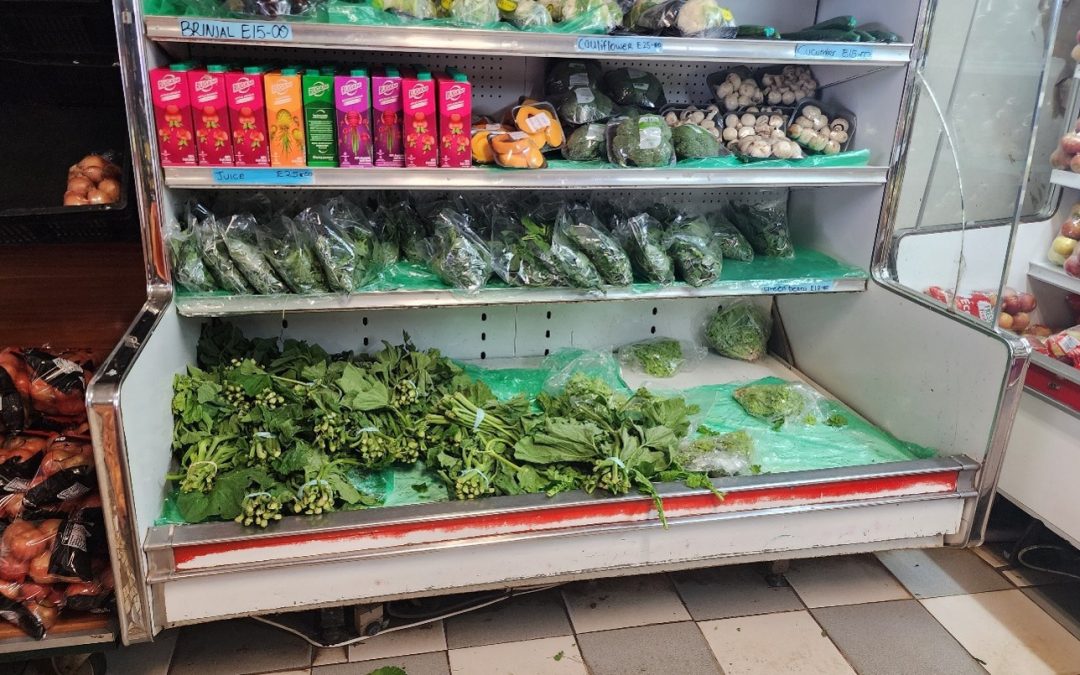
In a remarkable turnaround, what was once considered a forgotten crop is steadily becoming one of Eswatini’s most promising agricultural opportunities. Traditional African Vegetables (TAVs) are emerging as green gold for farmers, generating new income while providing communities with nutritious, locally grown food. As the country seeks to reduce its dependence on imported vegetables, these indigenous crops are proving that they can deliver both economic and nutritional value.
By bringing together government institutions, researchers, development partners, private sector actors and farmers, the Multi-Stakeholder Platform (MSP) for Traditional African Vegetables is laying the foundation for a stronger and more inclusive TAV value chain.
Building partnerships to unlock the potential of Traditional African Vegetables
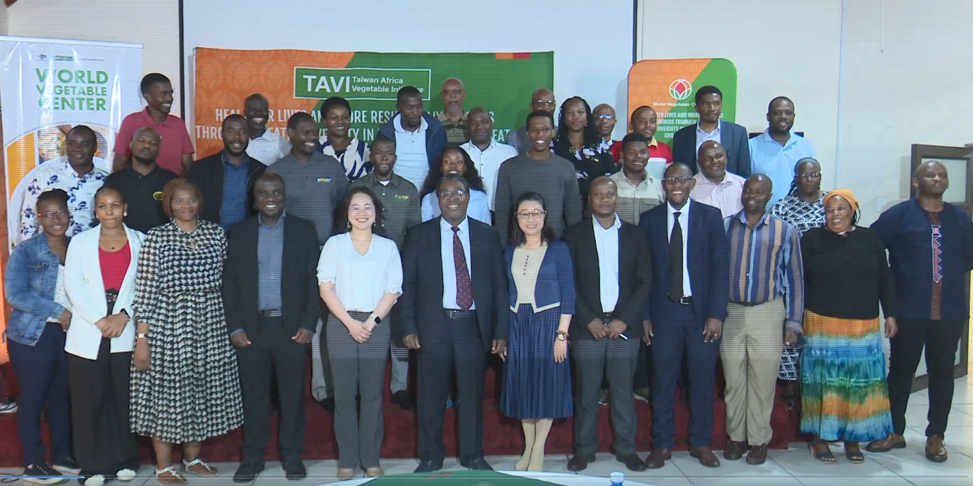
Ministry of Agriculture Principal Secretary Mr. Sydney Simelane (sixth from left), flanked by Republic of China (Taiwan) Embassy in Eswatini Agriculture Attaché Ms. Sofia Jeng (left) and TAVI Project Manager Dr. Sophia Chan (right), poses for a group photo with stakeholders in the TAVs commercialisation initiative, spanning seed systems to markets, during the project launch in October 2025. Photo: October 2025.
Efforts to commercialize TAV gained renewed momentum in October 2025 with the official launch of the Multi-Stakeholder Platform (MSP), a demand-led approach (https://cgspace.cgiar.org/items/aa46d813-1758-4cd7-a29f-53883b08478a developed by the Pan-Africa Bean Research Alliance (PABRA) under Phase II of the Taiwan-Africa Vegetable Initiative (TAVI). The launch marked an important step in Eswatini’s efforts to turn indigenous vegetables into profitable, nutritious and widely accessible crops.
The initiative is spearheaded by the World Vegetable Center (WorldVeg) in partnership with The Alliance of Bioversity International and CIAT through PABRA, with financial support from the Taiwan Ministry of Foreign Affairs and the Taiwan Ministry of Agriculture. At the national level, the Eswatini Ministry of Agriculture, the Department of Agricultural Research and Specialist Services (DARSS), the Ministry of Health, NAMBoard, and the National Genebank are providing critical leadership in research, policy development, regulation and market coordination.
With representatives from across the TAV value chain, including government, research institutions, development partners, the private sector and farmer organizations in attendance, the launch underscored the broad collaboration driving the initiative. Speaking at the event, Ministry of Agriculture Principal Secretary Mr. Sydney Simelane described the platform as an important milestone in strengthening Eswatini’s food security while opening new economic opportunities for farmers. He was joined by the Republic of China (Taiwan) Embassy to Eswatini’s Agriculture Attaché, Ms. Sofia Jeng, TAVI Project Manager, Dr. Sophia Chan, and other stakeholders supporting the commercialization of TAV.
Addressing challenges across the value chain
Despite their rich nutritional value and ability to thrive under harsh climatic conditions, Traditional African Vegetables have remained underutilized for many years. Many consumers have viewed crops such as amaranth (imbuya) and African nightshade as food of last resort rather than nutritious vegetables worthy of commercial production. Farmers have also faced difficulties accessing quality seed, reliable markets and affordable financing, making it difficult to produce consistently and meet the requirements of formal buyers.
These challenges have contributed to fragmented markets, inconsistent supply and limited investment in the sector. The MSP changed this by creating stronger links between farmers, researchers, seed suppliers, processors, retailers and policymakers, ensuring every actor contributes to building a more resilient value chain.
Changing perceptions while strengthening production
One of the platform’s major priorities is changing how TAV are perceived and consumed. Through Social and Behavior Change (SBC) activities, farmers and communities are learning not only improved production practices but also the nutritional importance of these vegetables. Culinary demonstrations, nutrition campaigns and community outreach activities are helping position TAVs as nutrient-rich “superfoods” that support healthy diets for children and adults alike.
Farmers are also encouraged to consume part of what they produce while supplying growing markets, ensuring that increased commercialization goes hand-in-hand with improved household nutrition. Training also focuses on better harvesting, handling and preparation techniques that help preserve important nutrients such as Vitamin A, iron and zinc while improving product quality for consumers.
Taking the platform closer to farmers
To ensure farmers have a stronger voice, the MSP approach expanded into all four regions of Eswatini between June and July 2026, establishing regional structures in Shiselweni, Lubombo, Hhohho and Manzini. These regional platforms enable farmers to register as members, participate in training programmes, share production information and contribute to local decision-making. The decentralized approach also makes it easier to coordinate production and respond to market demand.
Digital tools, including dedicated WhatsApp groups and monitoring dashboards, are further improving communication between producers and buyers by helping forecast production volumes, coordinate deliveries and aggregate produce from different farming communities.
Focusing on crops with strong nutritional and market value
The platform has prioritized several TAV with significant commercial potential. Pumpkin leaves (Liphutu) continue to generate strong market demand while providing valuable dietary fibre and essential minerals. Amaranth (Imbuya) on the other end, is gaining attention because of its high protein, calcium and iron content, supported by improved varieties such as Nguruma and Madiira 1. Okra, another priority crop, offers premium market opportunities but requires careful harvesting and consistent quality management to satisfy buyers.
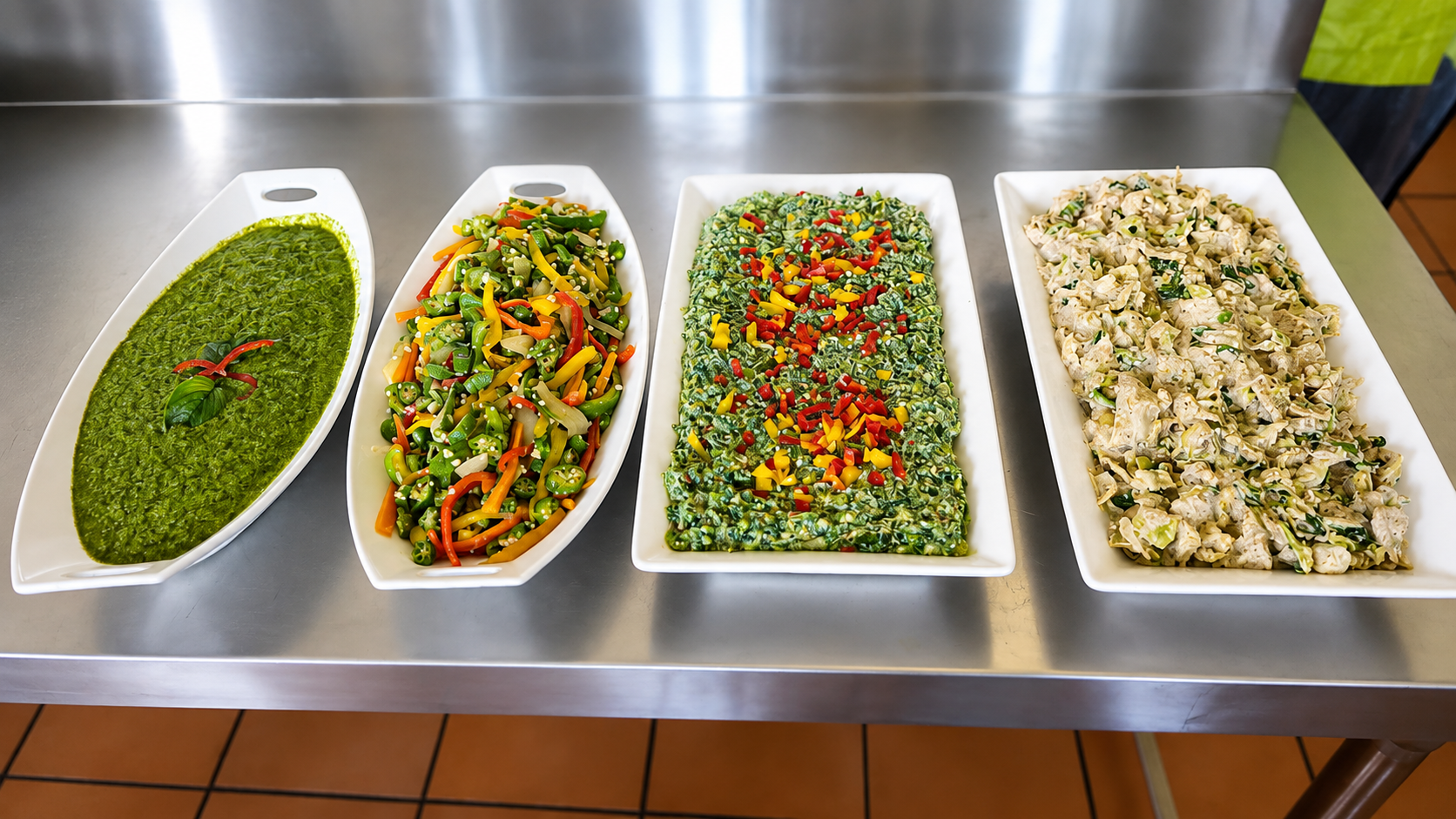
Together, these crops provide farmers with opportunities to diversify production while responding to increasing consumer interest in healthier foods
Creating markets that work for smallholder farmers
Rather than encouraging farmers to immediately target large supermarket chains, the MSP promotes a gradual market-entry strategy. Hotels, catering businesses, restaurants and institutional feeding programmes, including school meal initiatives, offer more flexible opportunities for emerging producers to establish reliable supply relationships before expanding into more demanding retail markets.
This practical approach is already delivering encouraging results. Some farmer groups have begun generating consistent monthly income by supplying regional buyers, demonstrating that Traditional African Vegetables can become profitable enterprises when production is well organized and markets are coordinated.
A sustainable vision for healthier communities
The initiative demonstrates that the Multi-Stakeholder Platform approach can expand beyond beans and remain viable after the donor support by deepening private sector engagement and strengthening ownership among farmers and local institutions.
By combining solving bottlenecks along the value chains through agricultural research, nutrition education, seed system development, market coordination and policy support, the initiative is creating an enabling environment where Traditional African Vegetables can contribute simultaneously to healthier diets, resilient farming systems and improved rural livelihoods.
As Eswatini works to reduce dependence on imported vegetables, the renewed investment in indigenous crops demonstrates that some of the country’s most promising solutions have been growing locally all along.