
By Yohane Chideya, Dennis Ong’or, Keta Mwangala, Yvonne Munyangeri, Eliud Birachi, Jean Claude Rubyogo
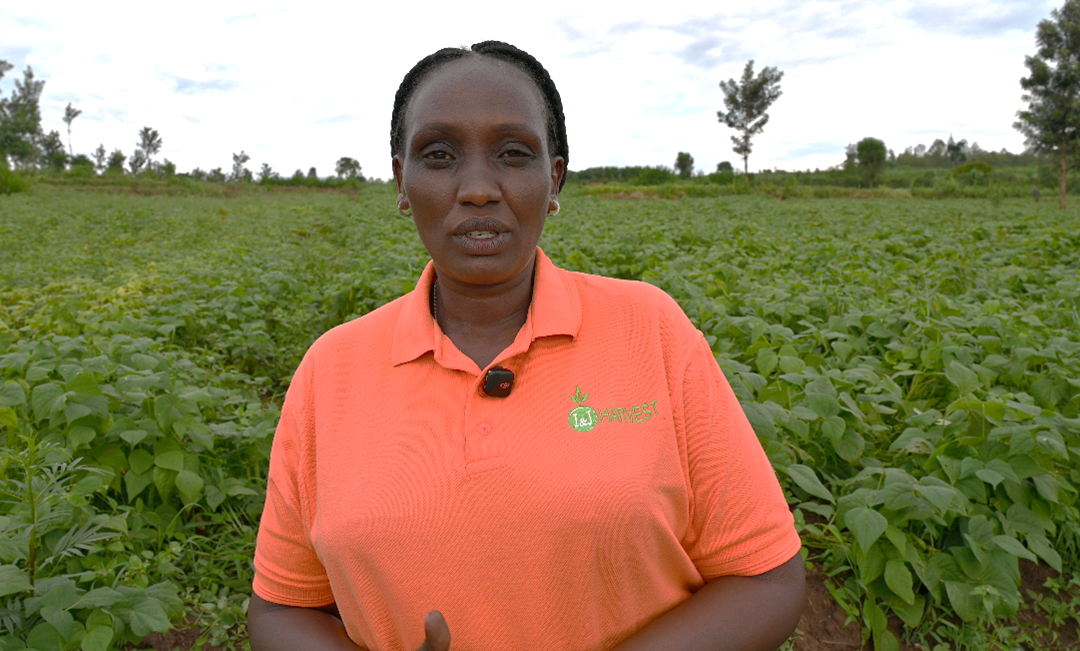
If you take a moment to sit with Emma Uwera, you will quickly discover two things: her unwavering love for beans and her dedication to helping others cultivate them. Behind this passion lies a narrative of collaboration, opportunity, and remarkable change, largely supported by the Alliance of Bioversity International and CIAT through the Pan-Africa Bean Research Alliance (PABRA) and the Rwanda Agriculture and Animal Resources Development Board (RAB). “Beans,” she chuckles, “I really love beans.” It’s a sentiment that might surprise many, but for Emma, beans are woven into the very fabric of her existence as a scientist, a mother, a businesswoman, and a changemaker – not just in her own Rwamagana District, but throughout Rwanda’s Eastern Province and beyond.
As a young graduate working in RAB’s bean program in 2011, Emma saw first-hand the central role beans play in the diets and incomes of Rwandan families. Like countless fresh graduates, she was bursting with ambition, yet uncertain about the direction it would take her. It was during her time at RAB that she recognized the vital role beans play in the diets of Rwandan families and for rural women, who rely on this crop for both sustenance and income. However, these women faced significant obstacles, lacking access to improved seeds, agronomic knowledge, and market opportunities. “They loved beans,” Emma reflects, “but they didn’t know which varieties to plant or where to acquire quality seeds. Many managed to grow just enough for their families.”
Those observations shaped her decision to move beyond research and into enterprise. In 2018 she invested USD 7,500 to establish her own seed business registered as I and J Harvest Ltd. What began modestly, with 12 tons of seed production in 2018, has grown steadily to over 100 tons by 2025. However, she’s encountered regular hurdles, particularly from climate variability like frequent droughts, which have impacted her bean and maize production. These challenges have sparked her interest in exploring climate mitigation strategies, including irrigation solutions.
PABRA’s contribution and Sall Foundation complementary support
Since its inception, I&J has been receiving technical support from PABRA, through RAB. Through this engagement, Emma strengthened her access to improved bean varieties, seed system coordination, and technical guidance on quality seed production. This support helped formalize and scale her enterprise, positioning it within Rwanda’s growing high-iron bean (HIB) market. As the enterprise grew under this technical framework, I&J Harvest was later profiled as a promising women-led seed business. This profiling opened the door to additional investment support through the Women’s Entrepreneurship Development initiative, backed by the Sall Foundation. The complementary support focused on strengthening enterprise management, marketing systems, and climate resilience investments.
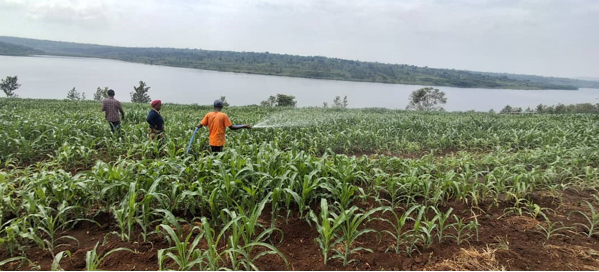
With this support, she obtained 75% funding for solar-powered irrigation covering 35 hectares. This support by the Sall Foundation, helped her optimize bean seed production and marketing. As a result, she doubled her bean seed output from 60 tons to approximately 120 tons, and the increased sales enabled her to finance the remaining portion of the irrigation investment. Today, she operates a fully functional 35-hectare solar-powered irrigation system.
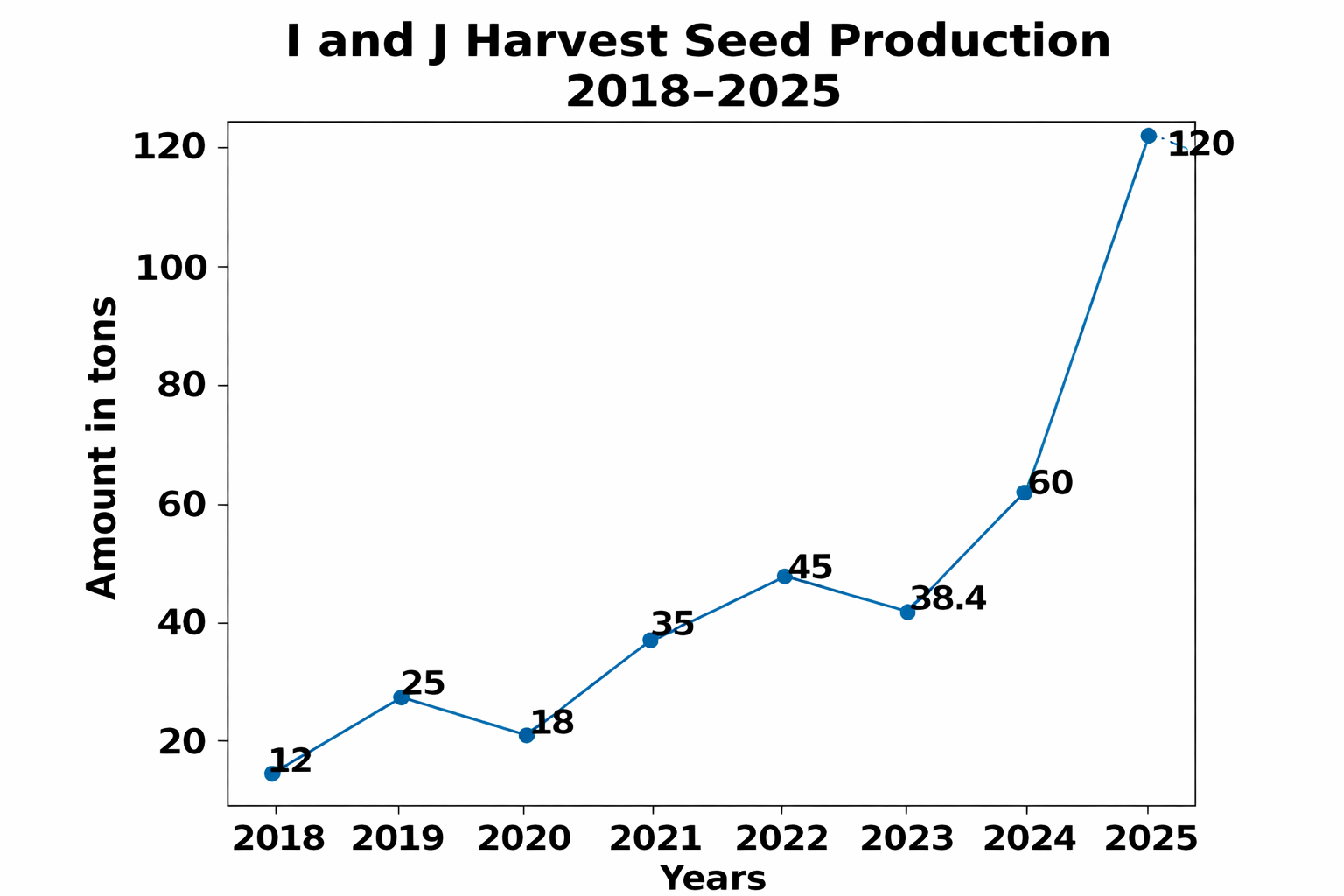
I and J Harvest seed production trend
The irrigation investment marked a turning point. Between October and December 2025, she planted maize seed under irrigation, and from April to June 2026, she plans to grow improved bean varieties using the same system to cushion her enterprise against erratic rainfall. More importantly, it ensured more reliable seed supply to farmers who depend on her business.
With additional support from the Sall Foundation, Emma’s company, I&J Harvest Ltd., adopted a gender-responsive, market-based approach that places high-iron bean seeds directly into the hands of smallholder farmers. By working closely with agro-dealers, cooperatives, and local seed multipliers, the company strengthened last-mile delivery systems, making improved seeds more accessible and affordable, particularly for women farmers.
The initiative combines small seed packs with good agronomic practices (GAP) training and mother–baby demonstration plots, allowing farmers to test new varieties under real conditions. Strengthened cooperatives improved record-keeping, demand forecasting, and outgrowing arrangements, creating a more reliable and sustainable seed supply system. Promotion of high-iron bean varieties such as MAC44, RWR3194, NUA566, Injamani, MBC 23, and RWR 2245 boosted productivity, improved dietary iron intake, and increased household incomes. Yields rose from about 600 kilograms per hectare to as much as 2 tons per hectare.
Through this combination of technical guidance, enterprise strengthening, climate resilience investment, and market expansion, Emma’s business moved from small-scale seed production to a structured, commercially viable seed enterprise.
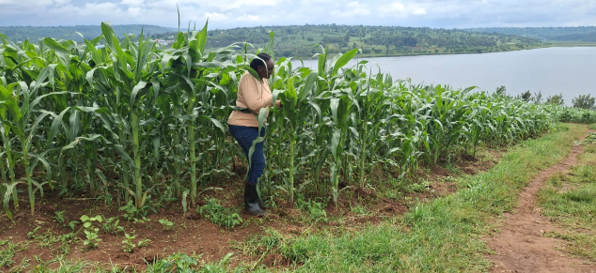
Emma and her maize field
As she states, “The support from the Sall Foundation is helping us turn opportunity into real impact. By strengthening seed marketing, demonstration plots, and agro-dealer networks, we can reach more smallholder farmers, especially women, with high-iron bean seeds that improve nutrition, boost incomes, and build more resilient farming businesses.”
Looking Ahead: Scaling in Rwanda and beyond
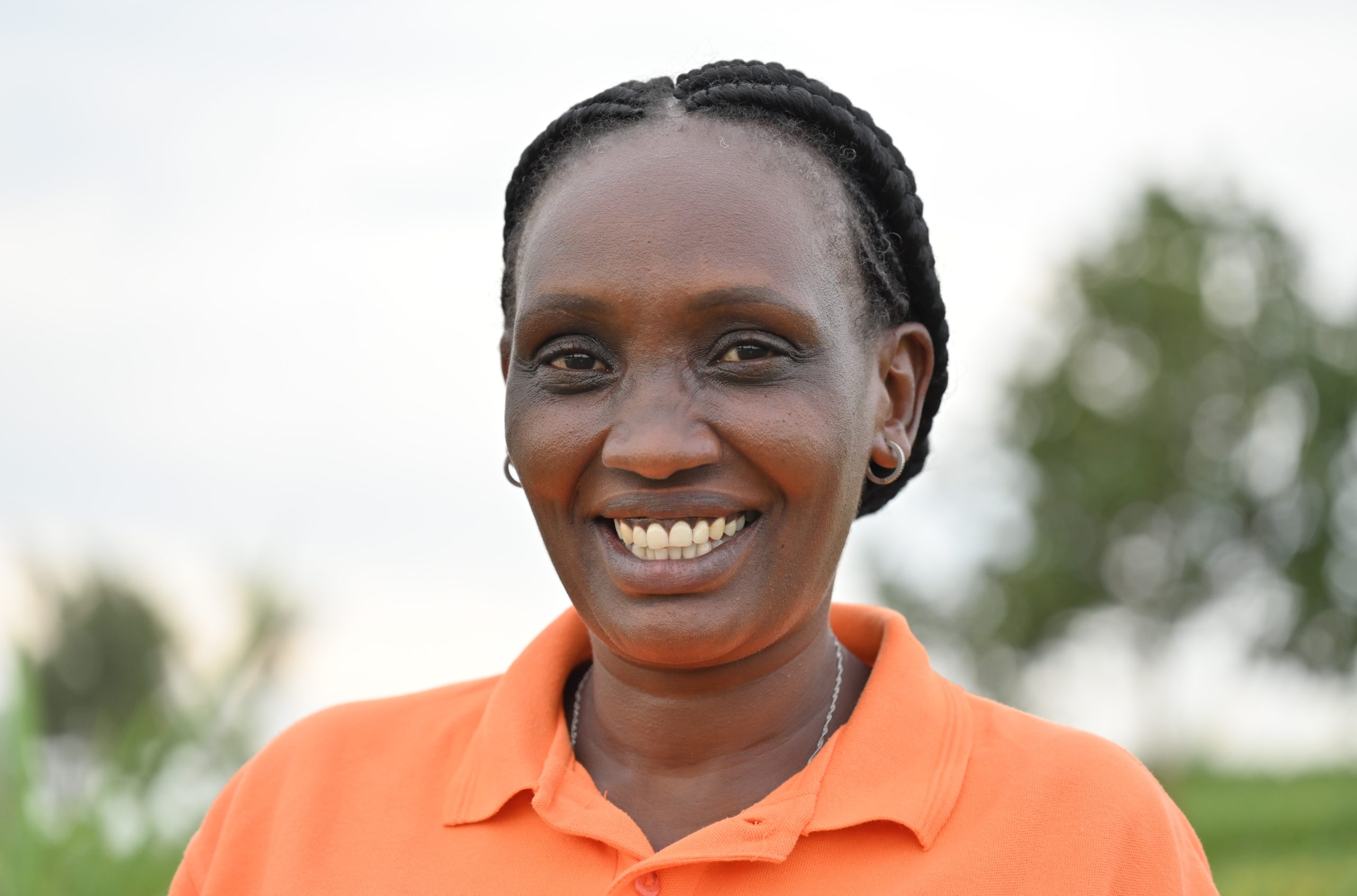
With strong partnerships by her side, Emma continues her growth journey with gratitude
For Emma, the transformation goes beyond production numbers. What began as a research career has grown into a thriving seed enterprise that now supports farmers, creates jobs, and strengthens local food systems. The same women she once met as a researcher are now her clients, partners, and seed multipliers.
Her ambitions, stretch even further. Emma plans to expand production across multiple districts, develop her own bean varieties, and export certified seeds beyond Rwanda after securing Organization for Economic Co-operation and Development (OECD) certification for Eastern Africa. The certification would allow her seeds to move freely across the region, opening access to new markets and foreign revenue.
As she puts it, “Rwanda produces excellent beans. Burundi, Tanzania, and Kenya already buy our beans. Once I secure OECD certification for Eastern Africa, we will be exporting seeds and that will generate more income.”
Emma’s journey illustrates what becomes possible when technical support, targeted investment, and women-led entrepreneurship align. Through partnerships with PABRA, RAB, and the Sall Foundation, high-iron bean expansion in Rwanda is not only improving nutrition and incomes but it is building a resilient seed enterprise with regional potential.
Learn more about Emma’s interventions in this short video: