
By Maria Michieka (International Maize and Wheat Improvement Centre (CIMMYT), Yohane Chideya (Alliance of Bioversity International & CIAT/PABRA), Gerald Usiri (Tanzania Agricultural Research Institute – TARI)
Tanzania’s seed sector is at a turning point.
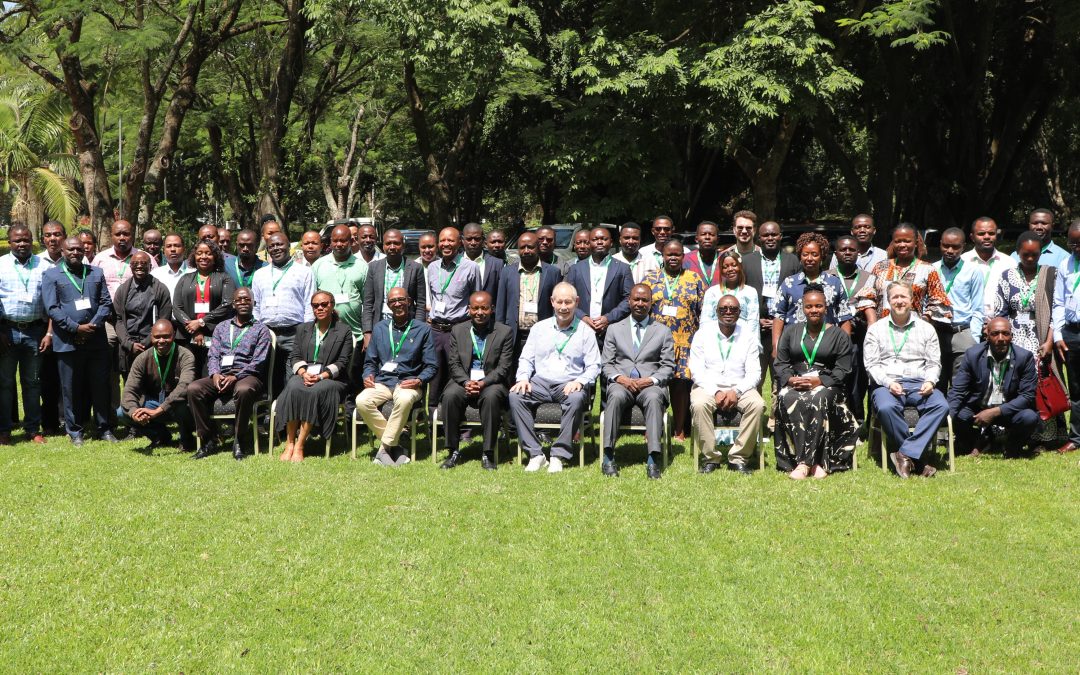
In February 2026, farmers, breeders, regulators, grain traders and processors, seed producers, digital innovators, humanitarian institutions and Non-governmental organizations (NGOS) gathered in Arusha, Tanzania to reflect on progress under the Accelerated Variety Turnover for Open-Pollinated Crops in Tanzania (ACCELERATE) Project and to confront a pressing question: how do we move from successful pilots to a fully market-connected, self-sustaining seed system?
Led by Alliance of Bioversity International & CIAT (The Alliance), through the Pan-Africa Bean Research Alliance (PABRA), in collaboration with International Maize and Wheat Improvement Centre (CIMMYT), Tanzania Agricultural Research Institute (TARI), and Tanzania Official Seed Certification Institute (TOSCI), The Initiative is reshaping how improved varieties move from research stations to farmers’ fields and ultimately to markets.
ACCELERATE centers grain traders and processors to drive varietal change—aligning market demand with seed supply and farmer incentives—while tackling slow adoption of improved varieties, weak seed systems with limited access to early generation seed, and growing climate pressures on productivity.
From pilots to measurable progress
Three years into implementation, the numbers reflect meaningful progress, thanks to the deployed Multi-stakeholder Platform (MSP) framework. Key focus has been strengthening Tanzania’s Quality Declared Seed (QDS) system – a decentralized model that allows trained farmers and groups to produce quality seed locally under regulated standards.
Early generation seed production has expanded rapidly. Project Leader Justus Ochieng reported significant growth across several crops. Production of common bean varieties less than 10 years old increased from 8 tons in 2022 to more than 70 tons in 2025. Furthermore, groundnut production also surged, doubling to 170 tons in 2025, while sorghum production rose sharply from 6 tons in 2022 to 36 tons in 2024.
The private sector has also stepped forward. Seed companies collectively reported 455 metric tons of certified seed produced through private investment, signaling growing ownership beyond project funding.
According to Areth Kibaraza, Research Officer at TOSCI, this growing collaboration signals a shift toward sustainability. “The increasing involvement of traders shows that the system is beginning to sustain itself,” he noted.
The QDS training curriculum to traders and producers has also evolved. Beyond technical seed production, it now includes entrepreneurship, gender inclusion, and youth participation, positioning seed production as a business opportunity rather than simply an extension activity.
Markets driving adoption
For grain traders and processors, improved seed varieties represent business opportunity. Boniface Kabelo of Mbamba MTE Co. Ltd, whose company’s network now reaches 120,000 farmers across Dodoma, Singida, and Manyara regions, explained how they transitioned from local varieties such as Masia to improved ones including TARISOR 2.
“Through this partnership, we shifted to improved varieties that perform better in the market and deliver higher yields,” he said. “Demand from the brewing industry has strengthened adoption.”
Kelvin Msola, Chief Operations Officer at Kibaigwa Flour Supplies, said his company has been able to formally register as a Certified 1 and Certified 2 seed producer. He said “Our biggest challenge was accessing quality certified seed. Through ACCELERATE we secured newly released sorghum varieties and strengthened collaboration with TARI and TOSCI.”
Recognizing the power of marketplace traders and digital impact
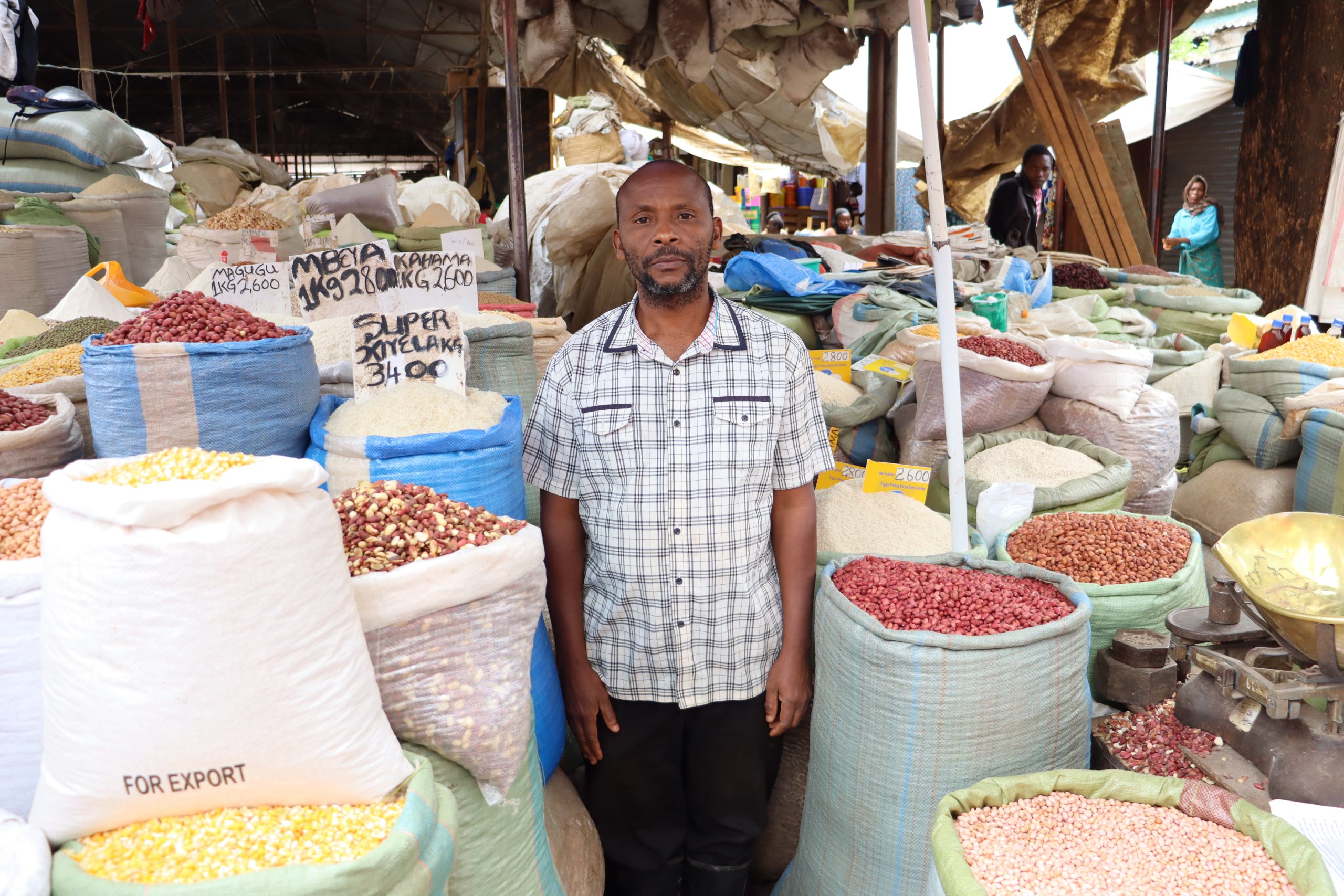
From farm to market: traders and grain retailers play a decisive role under ACCELERATE
Beyond large grain companies, ACCELERATE also engages marketplace traders and grain retailers—key intermediaries connecting farmers to last-mile consumers and major buyers—who influence which varieties dominate local markets and supply over 60% of smallholder farmers purchasing grain for planting, often unintentionally sustaining older varieties.
To address this, the Initiative rolled out a multi-channel engagement strategy—combining market meetings, local radio, flyers, posters, WhatsApp groups, and teaser seed samples—to drive awareness, reaching 1,756 traders (837 women, 919 men) and distributing 2,503 flyers and 130 posters in two phases.
Radio programs further amplified the message, reaching over two million listeners in 2024 and nearly six million in 2025, while each trader received two 0.2 kg seed samples to test—reinforcing a key lesson: accelerating varietal turnover requires a multi-channel approach, not a single outreach method.
For farmers like Elizabeth Simangu, the transformation is already visible: “Our harvests now access a reliable market through Kibaigwa where we earn better prices, and unlike before, we no longer farm in uncertainty; we farm with the expectation of success.”
Another important dimension of the transformation lies in digital innovation. Penny Musengi from PESIRA Technologies reported that at least 15 traders, processors, and seed companies are now using the platform to register farmers, track grain movement, and manage aggregation, inventory, sales, and financial transactions. The system ensures “farm-to-fork” traceability, improving transparency and efficiency across the value chain. Meanwhile, Chima Richards from CIMMYT shared early results from moderated WhatsApp-based groups linking traders and seed suppliers, noting that trust and active moderation are critical to maintaining productive exchanges and real-time market intelligence.
NGOs accelerating adoption on the ground
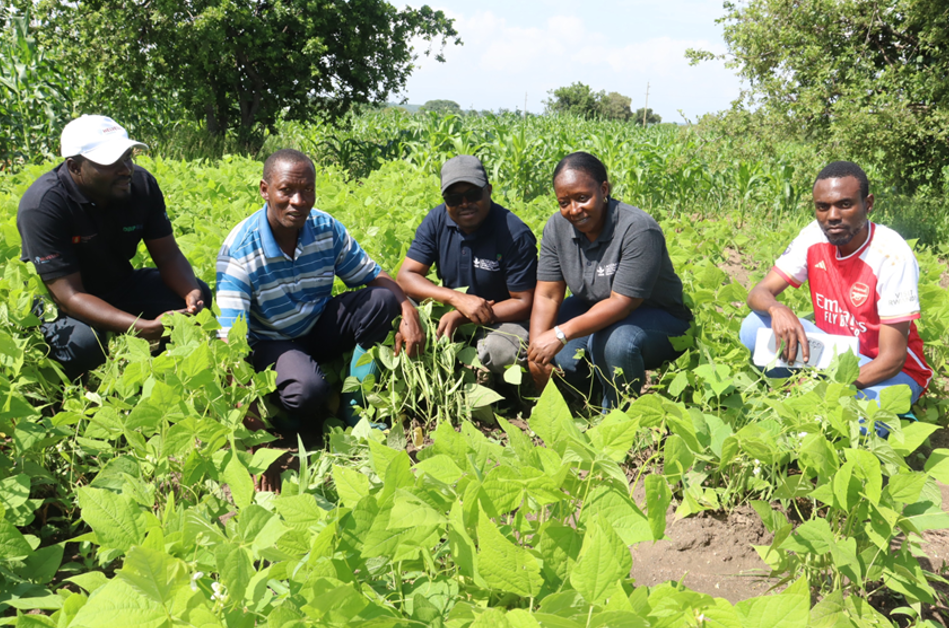
A Lead farmer in Singida hosting demo plot to create awareness about new varieties to the farming community
Humanitarian agencies and Non-governmental Organizations (NGOs) have also become key partners. Historically, many NGOs struggled to access appropriate varieties, often distributing seeds that were already outdated or vulnerable to climate stress.
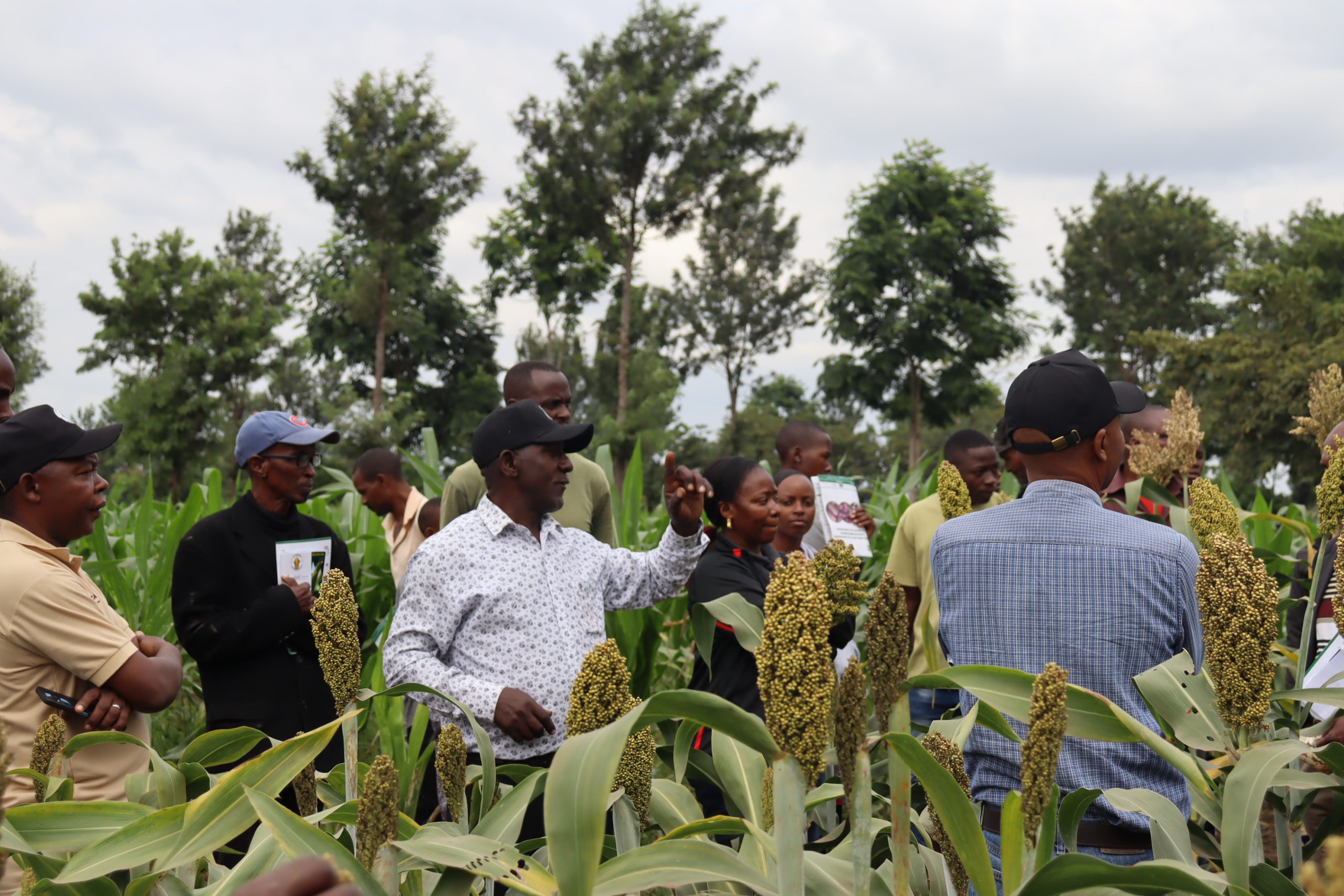
Through ACCELERATE, NGOs now work closely with research institutions to identify suitable varieties and establish demonstration plots. In the 2024/2025 season, for instance, NGOs working with TARI established 1,347 demonstration plots, reaching 8,383 farmers—a dramatic increase from 139 demonstrations during the 2023/2024 season.
By bridging NGOs and research institutions, ACCELERATE is helping identify the crop varieties that perform best for farmers and markets alike
Toward a system-wide transformation
Jean Claude Rubyogo, Global Bean Program Leader at the Alliance and Director of PABRA, urged partners to look beyond seed distribution alone.
He said: “This is not just about seed. It is about connecting research to real people and real markets.”
Success, Rubyogo emphasized, should be measured by farmer demand and improved livelihoods, and not varieties released, adding that growing what markets demand raises incomes, attracts trader investment, and drives system-wide progress.
For Jeff Ehlers, Senior Program Officer at the Bill & Melinda Gates Foundation, the project’s success ultimately depends on strong national institutions: “Strong government systems are what make scaling possible,” he said. “Our investments are designed to build on national efforts, not replace them.”
Seed production in project regions has already increased from below one percent to around three percent, but he cautioned that progress must accelerate to keep pace with climate change and rapidly evolving markets.
“The word ACCELERATE,” Ojiewo explained, “intends to hasten varietal turnover. Farmers have been producing very old varieties, some 50 or 60 years old, which have been performing poorly and struggling with both genetics and climate change.”
Vision 2050: Agriculture as Tanzania’s economic engine
ACCELERATE’s bold move is also linked closely with Tanzania’s wider development ambitions. Director General of TARI Thomas Bwana said the Initiative supports Tanzania Vision 2050, which expects agriculture to contribute up to 40% of Gross Domestic Product (GDP), generate about half of national exports, create jobs, and supply most raw materials for industry.
In 2025 alone, TARI produced 37 metric tons of pre-basic seed and 125 metric tons of basic seed, alongside increased breeder seed production for newly released varieties including TARIBEAN 6, TARIBEAN 7, and Selian 13.
“These targets are ambitious,” he said, “and they cannot be achieved without transforming agriculture.”
As demand for improved seeds grows, regulatory oversight remains crucial. Nyasebwa Chimagu, Director General of TOSCI, emphasized that maintaining seed quality is non-negotiable. “Seed is sensitive, we cannot compromise on quality,” said Chimagu.
At the same time, reforms are underway to improve efficiency. These include upgrading the online seed registration system, introducing digital inspection calendars, reducing bureaucratic delays, and reforming the national Seed Act.
TOSCI also plans to establish a formal Seed Stakeholder Forum, bringing public and private actors together regularly to evaluate progress and resolve bottlenecks.
From discussion to action
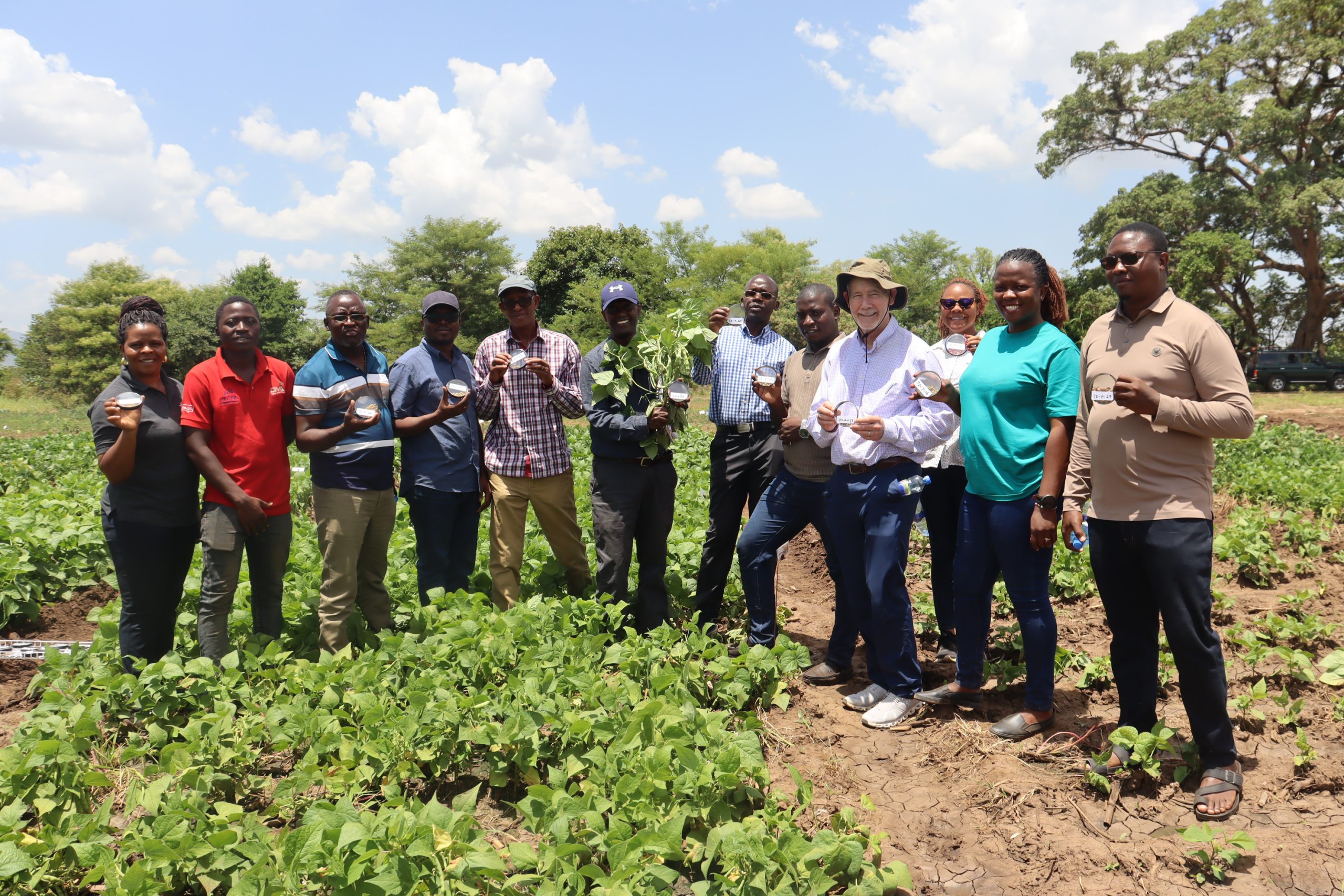
Strong call to action urged stakeholders to commit to structured partnerships and decisively accelerate breeder seed production and scaling
Moving forward, stakeholders were challenged to assess system readiness; whether seed producers can scale breeder seed under irrigation, TARI can expand early-generation seed, and regulators can grow the QDS system while maintaining quality. The response from traders, seed companies, NGOs, and partners was clear: they are ready.
With expanding contract growers, digital platforms, regulatory reforms, and stronger public–private collaboration, Tanzania is positioning itself as a regional model for demand-driven seed systems. While productivity gaps and last-mile distribution challenges remain, the foundation is strong—and if commitments made in Arusha translate into coordinated action, the country can accelerate varietal adoption and transform agrifood systems.
Photo Credit: CIAT