By Luisa Fernanda Prieto Campo
As PABRA celebrates its 30th anniversary, former CIAT Director General Rubén Echeverría reflects on the strategic decisions that strengthened bean research in Africa and helped position PABRA as a leading platform for agricultural innovation and collaboration.
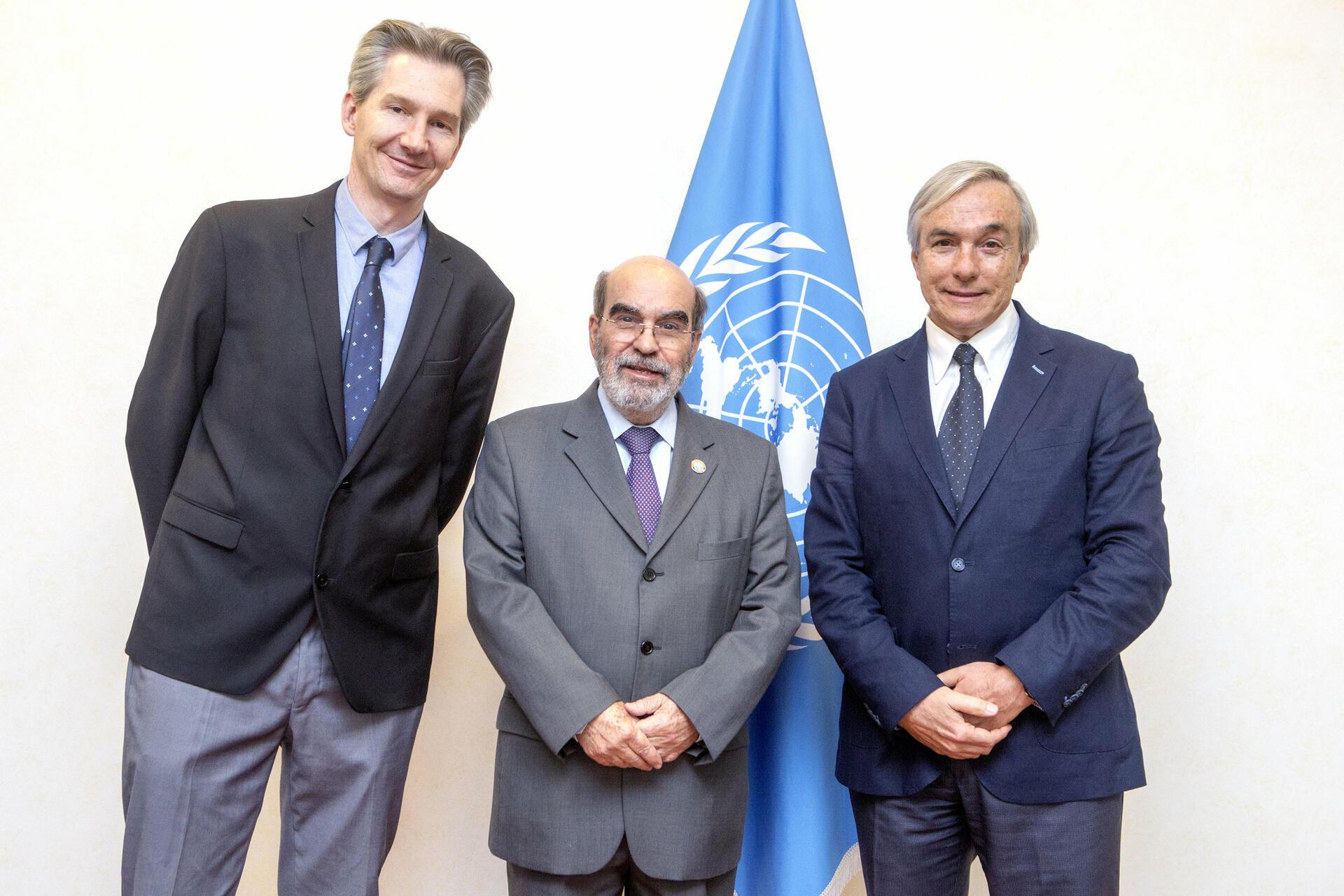
As the Pan-Africa Bean Research Alliance (PABRA) celebrates its 30th anniversary, the legacy of those who helped shape and strengthen the alliance takes on special significance. One of them is Rubén Echeverría, who served as Director General of CIAT, now part of the Alliance of Bioversity International and CIAT, from 2009 to 2019. During his tenure, he promoted strategic decisions that reaffirmed the institution’s commitment to Africa, positioned the continent at the center of the bean program, and strengthened PABRA as a platform for research, innovation, and collaboration focused on addressing the challenges of African food systems.

Rubén Echeverría
For Steve Beebe, Emeritus Scientist at the Alliance and former leader of the bean program, internationally recognized for his contributions to bean breeding, and for Joe Tohme, Emeritus Scientist at the Alliance who provided strong support as the former director of the Crops for Nutrition and Health research area, Echeverría’s leadership marked a turning point in PABRA’s history. Both agree that one of his most significant decisions was to shift the bean program’s strategic leadership to Africa, when activities in Latin America and Africa were advancing in parallel.
“Rubén’s decision to move the leadership of the bean program to Africa was bold and transformative. It eliminated the historical divide between the regions and established Africa as the undisputed center of the global bean agenda,” emphasize Tohme and Beebe.
For both researchers, this decision represented far more than an administrative reorganization. It was a commitment to bringing research closer to the needs of African countries, strengthening collaboration with national partners, and consolidating PABRA’s role as a regional platform for innovation, scientific cooperation, and development.
That leadership was also instrumental in building confidence among donors and strategic partners. According to Tohme and Beebe, Echeverría devoted considerable time and effort to promoting PABRA’s vision among funding organizations and international partners, actively participating in resource mobilization and supporting the alliance during key moments of its growth. His support helped strengthen PABRA’s position within the then-CIAT and ensured the conditions needed to expand its reach and impact across Africa.
Under his guidance, PABRA transformed from a regional initiative into a continent-wide force, driven by strong leadership—first by Robin Buruchara and later by Jean Claude Rubyogo—strategic partnerships, and an unwavering commitment to impact. His contributions laid the foundation for the resilient, influential alliance PABRA is today.
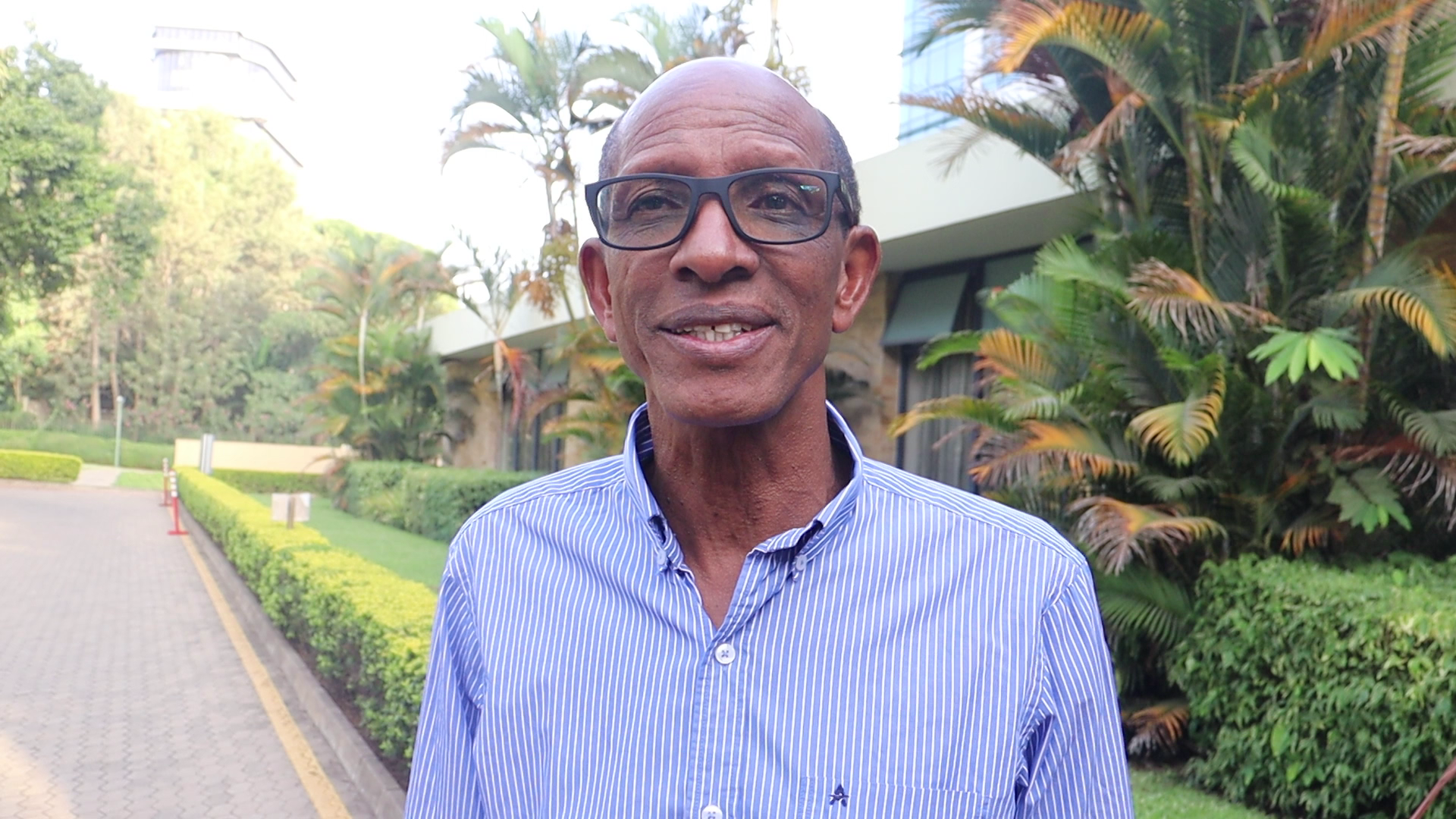
Current PABRA Director: Jean Claude Rubyogo