
By Martin Majambele1, Yohane Chideya1, Victor Leseedy1, Edith Kadege2, Joachim Madeni2, Lilian N. Gichuru3 and Justus Ochieng1
1International Center for Tropical Agriculture (CIAT, Arusha Tanzania
2Tanzania Agricultural Research Institute (TARI), Dodoma, Tanzania
3International Maize and Wheat Improvement Center (CIMMYT)
Tanzania has taken a major step toward modernizing its agricultural research and seed system with the coming in of the Research Business Management System (RBMS), a centralized digital platform designed to organize, standardize, and manage breeder data, seed catalogues, research outputs, and project workflows.
The initiative was formally introduced during an inception meeting held in Arusha, bringing together the Tanzania Agricultural Research Institute (TARI), the Alliance of Bioversity International and CIAT, and the International Maize and Wheat Improvement Center (CIMMYT) under the Accelerated Varietal Adoption and Turnover for Open-Pollinated Varieties (ACCELERATE) and Accelerated Varietal Improvement and Seed Systems in Africa (AVISA) projects. The system aims to address long-standing inefficiencies in data management and improve the delivery of high-quality, traceable seed varieties to farmers across the country.
The inception meeting gathered TARI Selian leadership led by Centre Director Dr. Caresma Chuwa, crop leads and plant breeders from TARI research stations nationwide, information technology experts, CIAT scientists, and CIMMYT representatives led by Dr. Papia Binagwa. Participants met to align on the RBMS’s purpose, technical architecture, scope, and implementation plan, while also clarifying roles and responsibilities among institutions involved in its development and rollout.
In her opening remarks, Dr. Chuwa emphasized the urgency of strengthening the seed system to better serve farmers. She noted that farmers themselves recognize the difference between traditional seed varieties and improved ones developed through research institutions, underscoring the need for quality assurance and traceability. She stressed that TARI’s mandate is to ensure farmers have access to reliable, improved seed varieties that meet national quality standards and contribute to food security.
“Farmers were once asked about the difference between traditional seed varieties and improved ones. They said the traditional seeds do not meet quality standards, but those developed under TARI in collaboration with CIAT were seen to meet the standards. Our main goal is to serve the farmers,” she said.
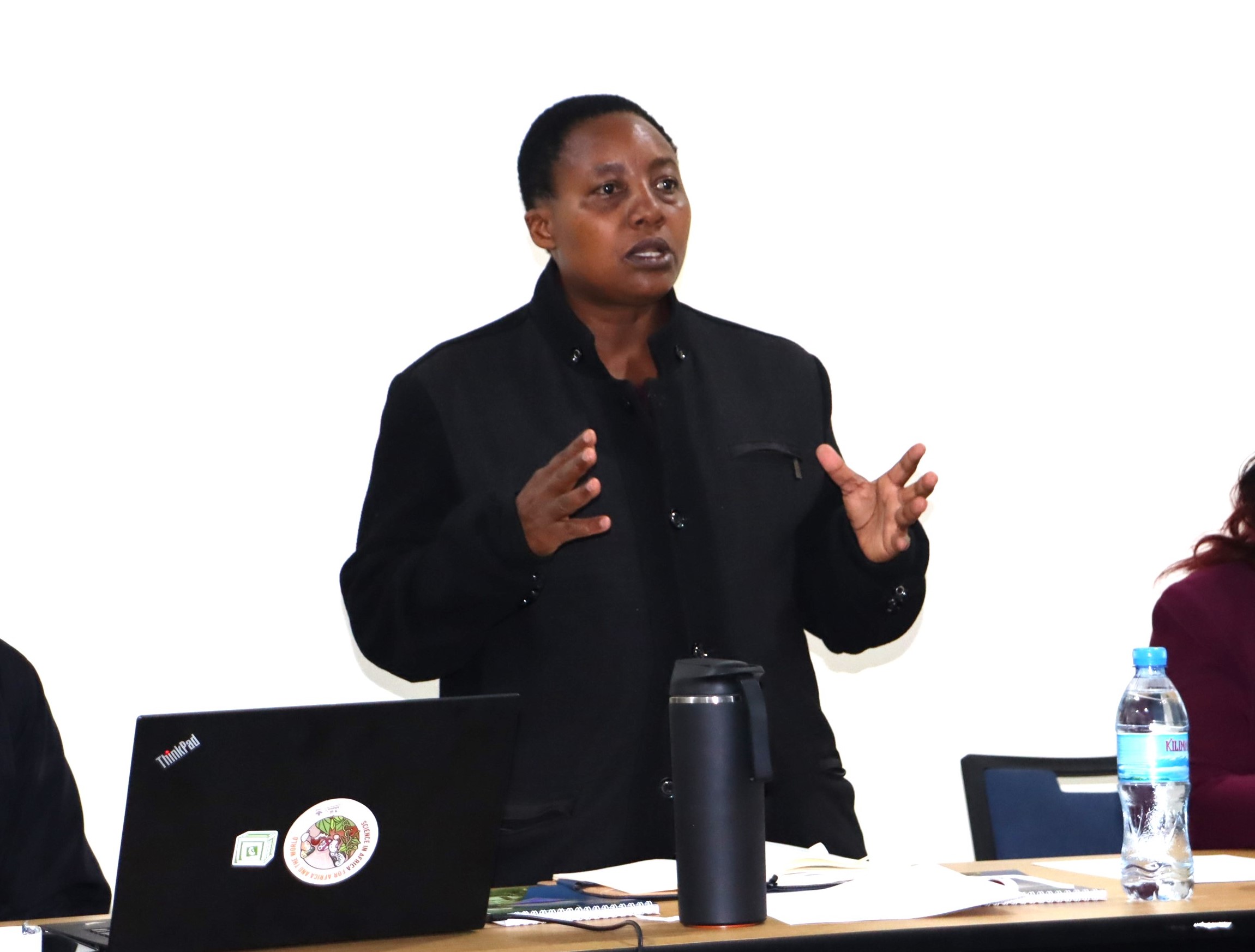
Dr. Chuwa, TARI Selian Center Director, captured during the inception meeting
Why is this important?
With financial support from the Gates Foundation, the RBMS is being developed in response to systemic challenges currently facing Tanzania’s seed research and delivery system. These include fragmented data storage across departments and stations, reliance on manual record-keeping, limited scalability, weak system integration, and increasing demands related to compliance, reporting, and audits. These constraints have slowed decision-making, complicated coordination among stakeholders, and hindered the efficient transfer of technologies from research institutions to seed companies and farmers.
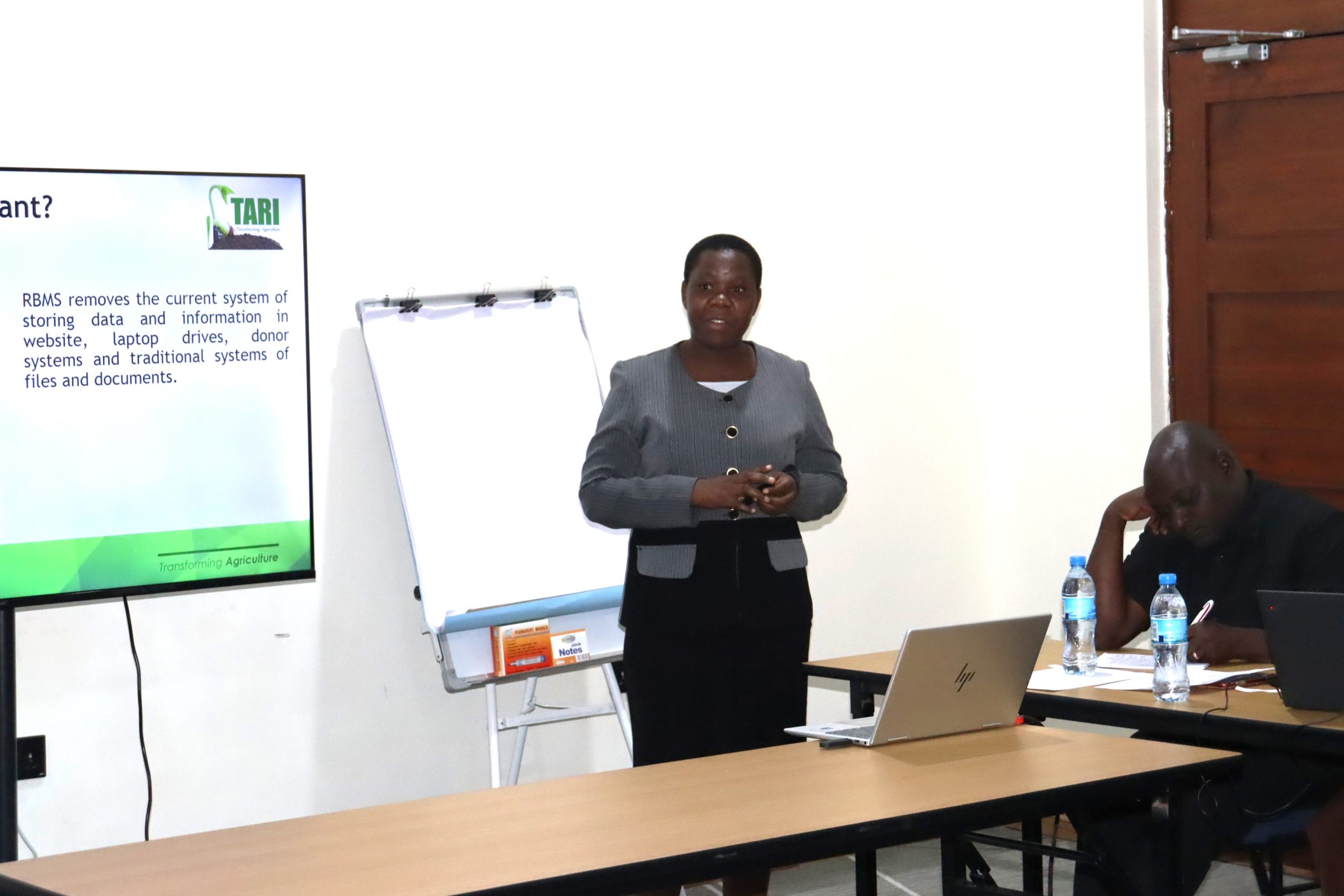
Hangabage presenting on the dynamics of the RBMS
During the meeting, Stella Hangambage, a researcher from TARI Headquarters, introduced the RBMS as a strategic digital solution to strengthen TARI’s capacity to manage and disseminate agricultural research outputs, particularly seed variety information. She explained that the system will streamline seed pre-ordering processes, expand access to comprehensive and up-to-date varietal information, and lay the foundation for a robust varietal licensing framework. The RBMS builds on earlier digitalization efforts undertaken by TARI, CIMMYT, and other partners under the AVISA project and is designed to integrate existing initiatives into a single, cohesive platform.
Technical sessions during the two-day meeting focused on the structure and functionality of the RBMS, improvements to digital seed catalogues, data standardization requirements, and projected development costs. Presentations also covered TARI’s role in the national seed system, the expected benefits of digitization, and the contributions of CIAT and CIMMYT in supporting digital transformation under the ACCELERATE and AVISA projects. These discussions helped establish a shared understanding of the platform’s vision and implementation approach, setting the stage for detailed group work and collaborative planning.
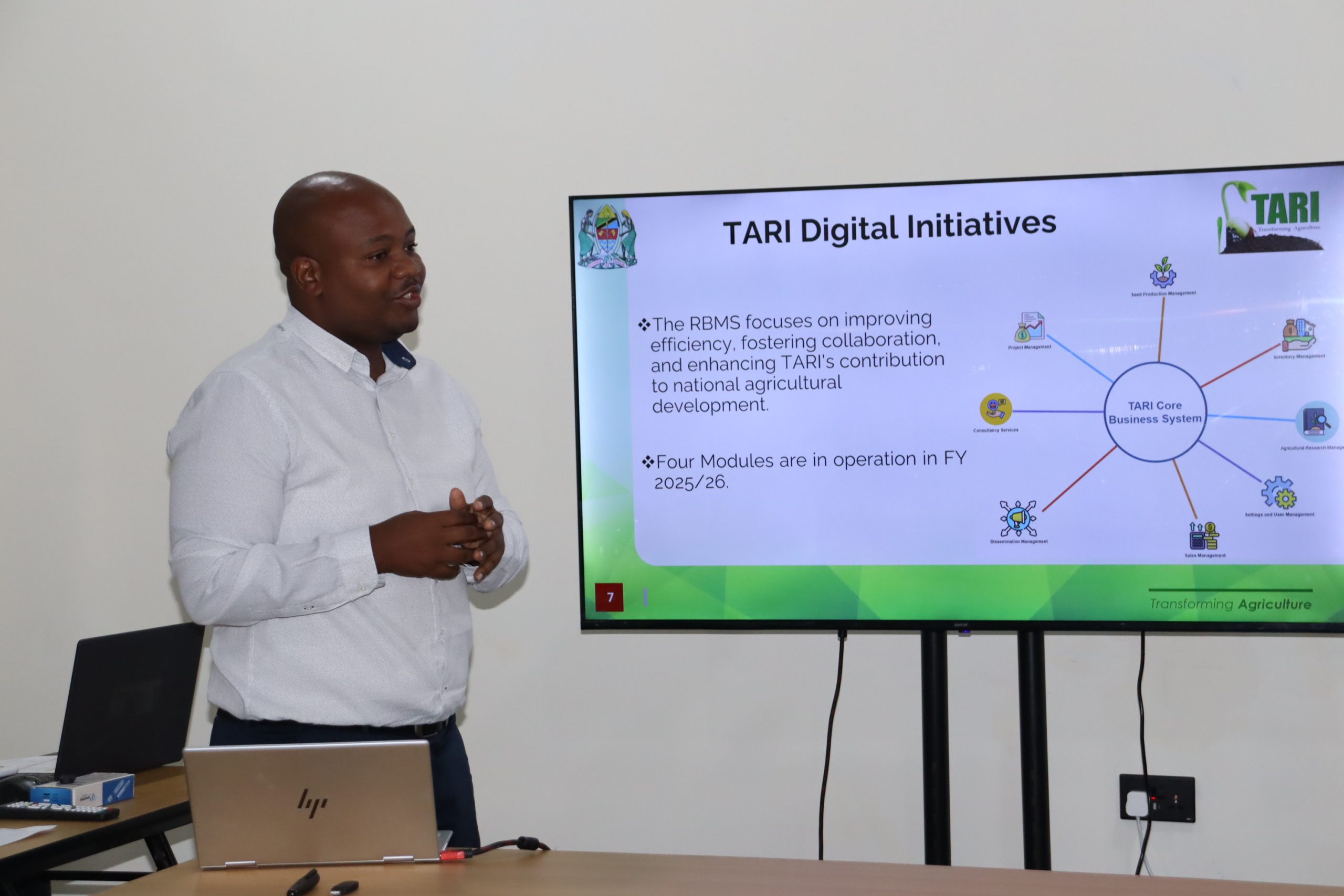
Tullo presented a cost-benefit comparison of manual vs. digital systems and outlined the RBMS development timeline
Festo Tullo, TARI’s Information and Technology Manager, presented the proposed functionality of the RBMS, highlighting how the system will support real-time data access, standardized reporting, and improved coordination across research stations. He also discussed the efficiencies expected from transitioning from manual systems to a fully digitized platform, including reduced duplication of effort and improved data accuracy.
The roles of the Alliance and CIMMYT
The Alliance, through the Pan-Africa Bean Research Alliance (PABRA), is providing strategic and technical support to TARI in the development of the RBMS. Dr. Justus Ochieng, ACCELERATE Project Coordinator, emphasized the Alliance’s and CIMMYT’s commitment to supporting digital innovation, seed system development, and capacity building across dryland and legume crops. He noted that the initiative is not only about introducing new technology but also about co-creating sustainable systems that respond to local institutional needs and support long-term transformation.
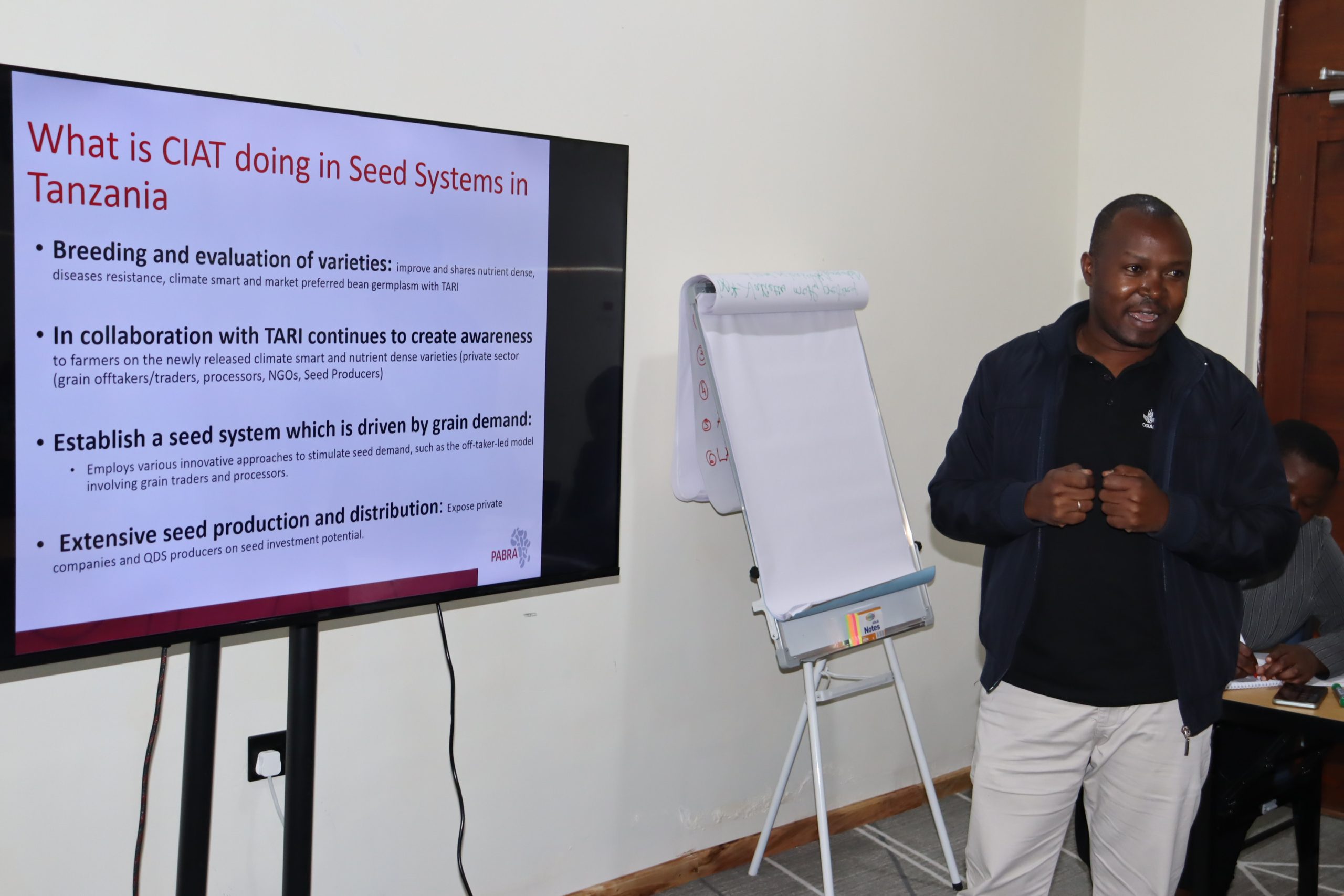
Ochieng highlighted CIAT’s role in driving digital transformation and stakeholder engagement
Additional technical guidance was provided by digital consultant Victor Lesedy, who shared insights on global best practices in digital catalogue design, metadata standards, and user experience. He stressed the importance of developing a system that is both technically robust and intuitive for end users, particularly breeders and data managers who will interact with the platform on a daily basis.
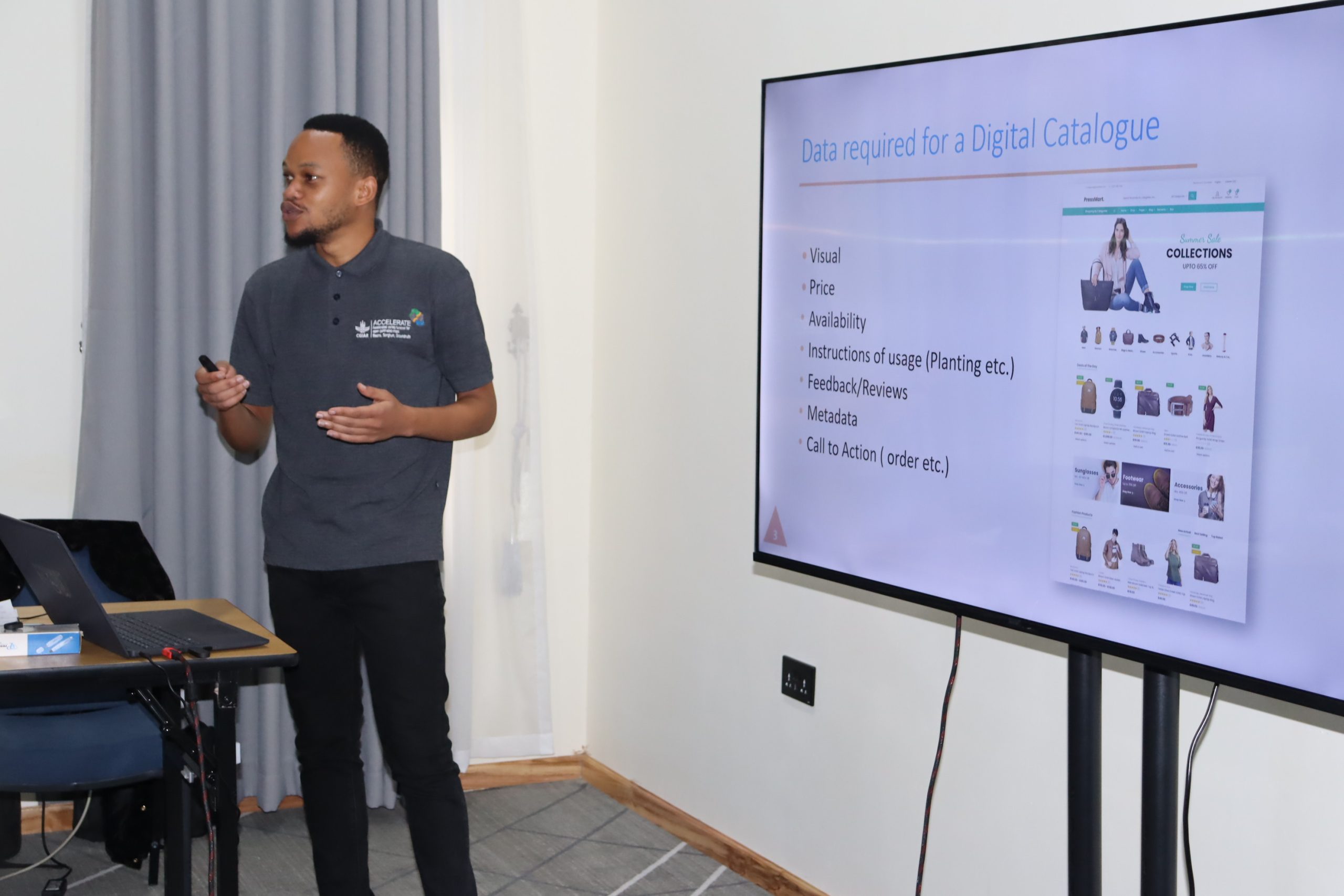
Lesedy shared insights on digital catalogue design and user-focused system development
Looking ahead, the successful development and implementation of the RBMS will depend on coordinated efforts among TARI, CIAT, and CIMMYT. The partners will work together to determine and share development costs, establish a sustainable funding model, and finalize the system development timeline. Crop leads will define standardized data fields and prepare detailed information on seed varieties to populate the digital catalogue, while technical teams will oversee system design, development, testing, documentation, and user training.
Once fully operational, the RBMS is expected to significantly strengthen Tanzania’s seed system by improving transparency, efficiency, and access to agricultural research products. By centralizing critical breeding and seed data and enhancing linkages between breeders, seed producers, regulators, and farmers, the platform is poised to support data-driven decision-making and contribute to improved seed availability and food security across the country. The system will be rolled out in partnership with the Tanzania Official Seed Certification Institute (TOSCI).
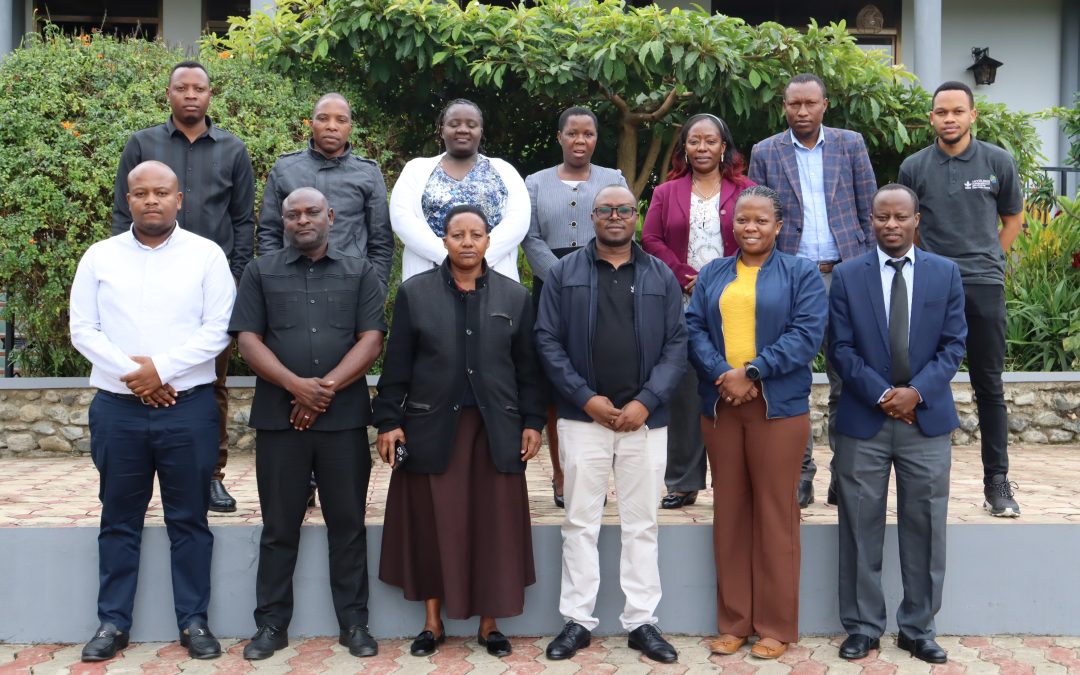
Cover Image: Participants after the inception meeting in Arusha
Pictures📸 by Martin Majambele