
By Yohane Chideya, Dennis Ong’or, Jean Claude Rubyogo
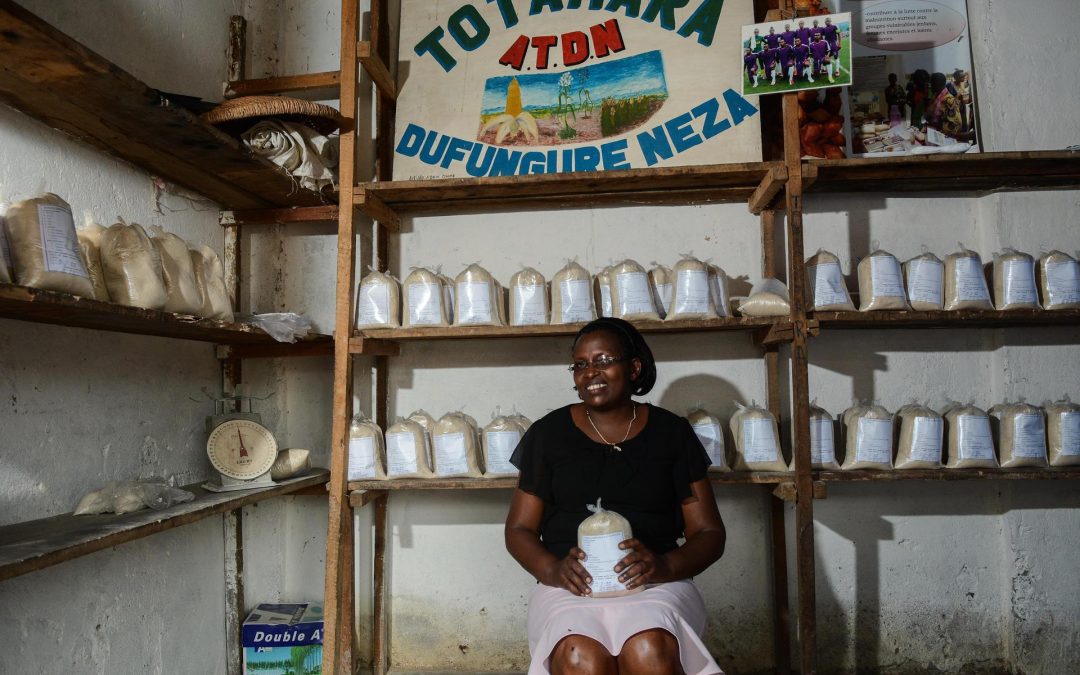
Great ideas often grow out of small experiments; sometimes planned, sometimes accidental. For Christella Ndayishimiye, one such moment set everything in motion. The Burundian office secretary-turned entrepreneur started processing bean porridge flour out of an urgent personal need. When it was time to wean her baby, she could not find the right nutritious flour in the market. Determined to give her child a healthy start, she began mixing her own bean-based composite flour at home. The results were immediate and encouraging. Her baby grew strong and healthy, and what began as a mother’s solution soon sparked a business idea. That simple experiment eventually gave birth to Totahara, now one of the leading bean composite flour processors tailored to women and children, in Burundi.
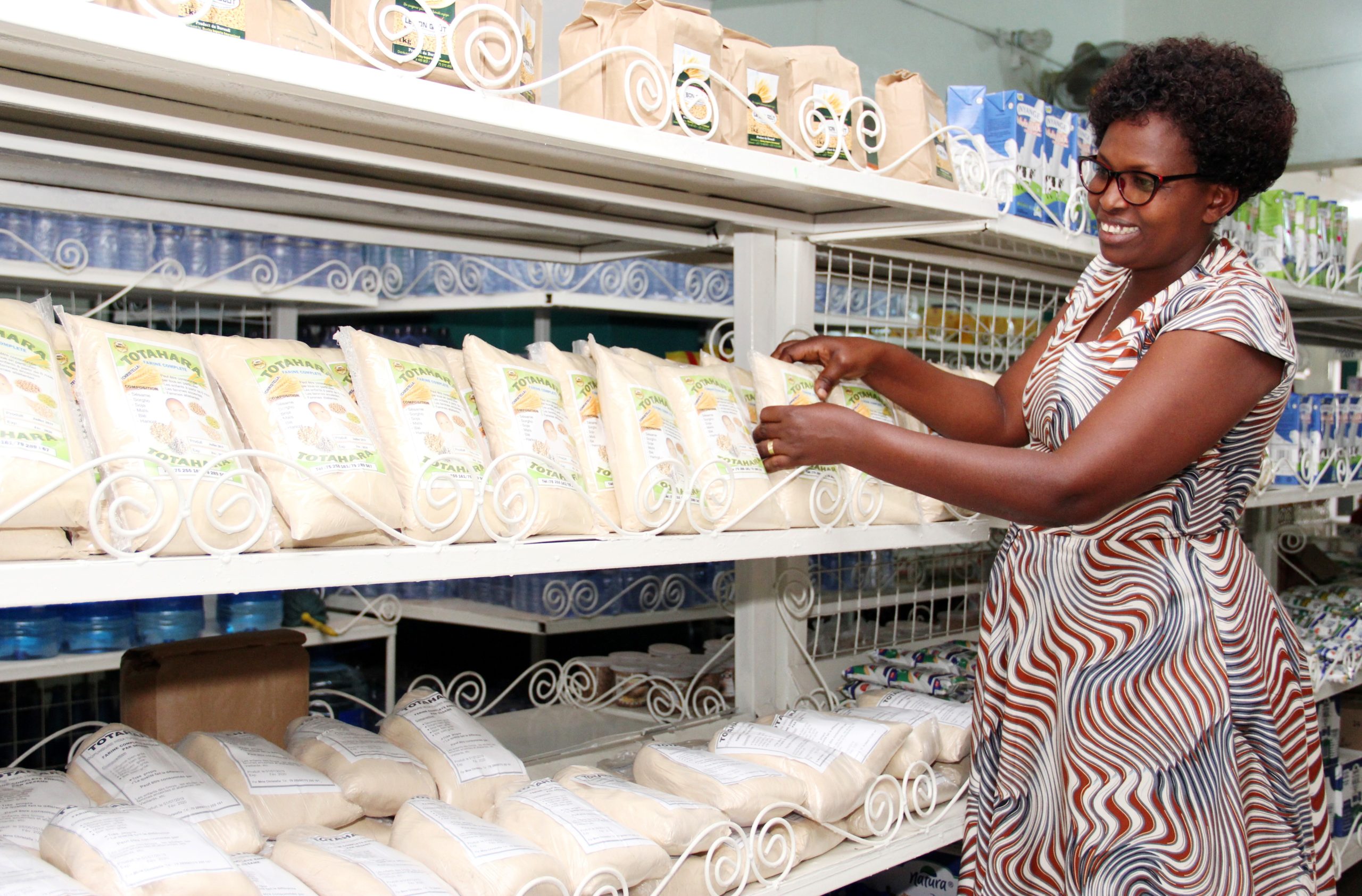
Through the Kura Porridge Project, Totahara has made a measurable impact on child nutrition and household food security. By 2025, the initiative had supported 1,242 malnourished children, while every month more than 40,000 families – an estimated 120,000 people – consume its enriched porridge products. Totahara’s products are widely distributed across Burundi and extend into markets in the Democratic Republic of Congo, reflecting steady regional growth. This reach is enabled by a strong retail network comprising 253 semi-retail outlets and 122 female retailers, ensuring access even in underserved communities. The company currently employs 38 staff members – including 18 women and girls and 20 young men – who oversee production, packaging, and distribution, reinforcing Totahara’s commitment to both nutrition and inclusive economic empowerment.
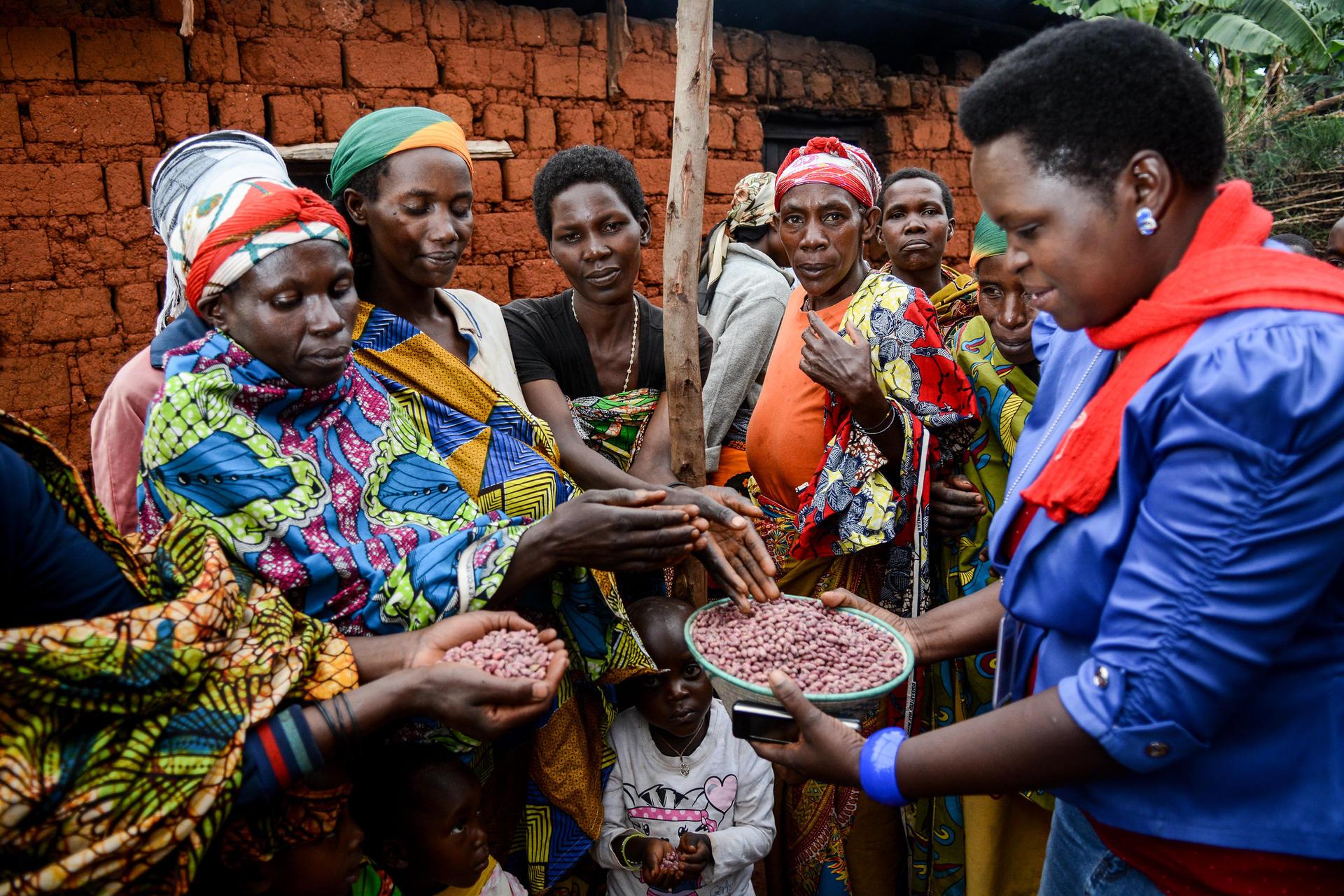
Making significant strides through her porridge
 Further, with co-financing from a World Bank-supported program, the company is expanding its factory. Once the new facility is fully operational, it aims to produce up to 220 tons of enriched porridge. This expansion is expected to reach 6,000 children in 50 schools, create 76 additional jobs, prioritizing women and youth, while linking more than 30,000 farming households to reliable markets – generating over one million dollars in annual income for producers.
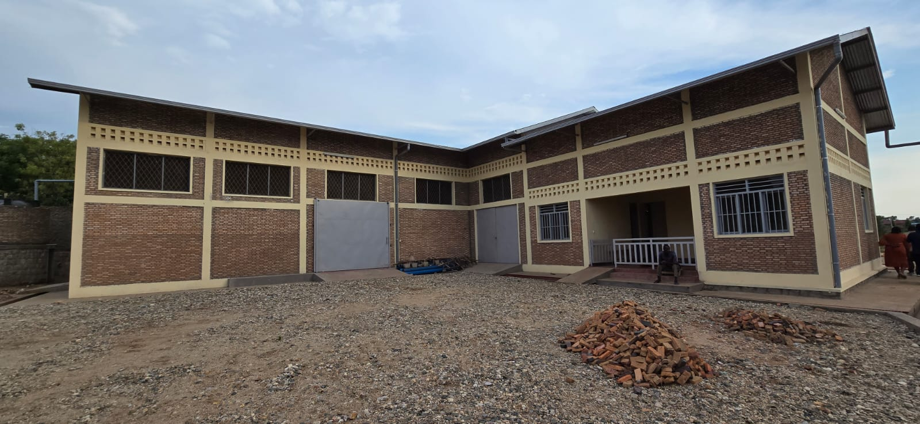
New factory facility beng built by Totahara
Despite this growth, the enterprise has been operating in a challenging environment. Demand was increasing, but production systems, packaging, and market coordination needed to improve. Expanding beyond local outlets required stronger business planning, better links to grain producers, and more structured engagement with markets. As a result, there was need to unlock these barriers to enhance the capacity of Totahara to operate optimally for desirable growth.
Market activation through complimentary support
As part of initiatives to support women enterprises, Totahara was one of the beneficiaries of Sall Family Foundation complementary funding through PABRA in partnership with ISABU. The intervention focused on market activation involving strengthening procurement, packaging, jump starting with initial procurement of raw materials and technical support towards market engagement to ensure sustainable scaling of nutrient-rich composite bean porridge for vulnerable women and children in Burundi. Following this support, a structured raw material procurement system was established, enabling direct sourcing from local farmers. Consequently, the enterprise secured 1,050 kg of beans, 2,450 kg of maize, 1,050 kg of soybeans, 1,400 kg of wheat, 701 kg of sorghum, and 350 kg of sesame. This ensured a reliable supply of essential ingredients for enriched flour production while strengthening relationships with community suppliers. With increased sales, she acquired new equipment to roast, mill, mix, and package the composite ingredients. The machinery not only increased production volumes but also ensured consistent quality in every batch.
Also, through this support, packaging systems were significantly improved. The acquisition of 14,000 packaging units enhanced product presentation, preservation, and compliance with food safety standards. Beyond aesthetics, improved packaging increased consumer confidence and strengthened the brand’s credibility in the market. Operational efficiency also improved significantly. Prior to the intervention, customers typically waited up to one week to receive their orders. Through streamlined procurement processes and better inventory planning, order fulfillment time was reduced to just one to two days. This shift significantly enhanced customer satisfaction and the enterprise’s ability to meet growing demand. Recognizing potential geopolitical risks linked to the situation in the Democratic Republic of Congo, the support also involved adopting a proactive market diversification strategy.
Together, these changes transformed the enterprise from a supply-constrained operation into a structured, quality-compliant, and market-responsive system capable of delivering nutritious products more efficiently and at scale. Just as Chrisine puts it;
“PABRA’s support came at the right time for our business. With their guidance, new equipment, and links to farmers and markets, we have been able to improve the quality of our bean flour, reach more families, and create jobs for women and youth. What started as food for my baby is now nourishing thousands across Burundi and beyond.”
Totahara’s future plans in scaling market reach and strengthening resilience
With the foundations of structured procurement, improved packaging, and faster order fulfillment now in place, TOTAHARA is turning its focus toward scaling market reach across the East African Community. By exploring expanded market opportunities, the company can mitigate geopolitical risks that could disrupt regional trade, particularly in light of developments in the Democratic Republic. For PABRA, the next phase prioritizes expanding market activation efforts across all provinces of Burundi to increase visibility, accessibility, and consumer trust in nutrient-rich composite bean products. A dedicated market activation strategy will intensify outreach through partnerships with local retailers, community engagement initiatives, and a strengthened activation team (60% of whom are female youth). This approach not only broadens distribution but also promotes inclusive economic participation, reinforcing the project’s social impact alongside its commercial growth.