
By Andrew Kabwama, Winnyfred Amongi, Allan Male, Kato Fred, Roy Odama, Clare M. Mukankusi
Behind every bean variety is a unique combination of genes that influences its nutritional and agronomic traits. Some have adapted to specific growing conditions, others possess resistance to pests and diseases, while some hold traits that breeders could use to develop crops better equipped to withstand climate change. However, as improved varieties become more widely adopted and traditional ones gradually disappear, valuable genetic diversity risks being lost. Preserving them is therefore essential to ensuring that future generations of breeders have the resources to develop better, more resilient crops.
This loss, known as ‘genetic erosion’, can be difficult to reverse. Once a variety disappears, the unique characteristics it carries may be lost with it, narrowing the options available to researchers and breeders working to improve future crops.
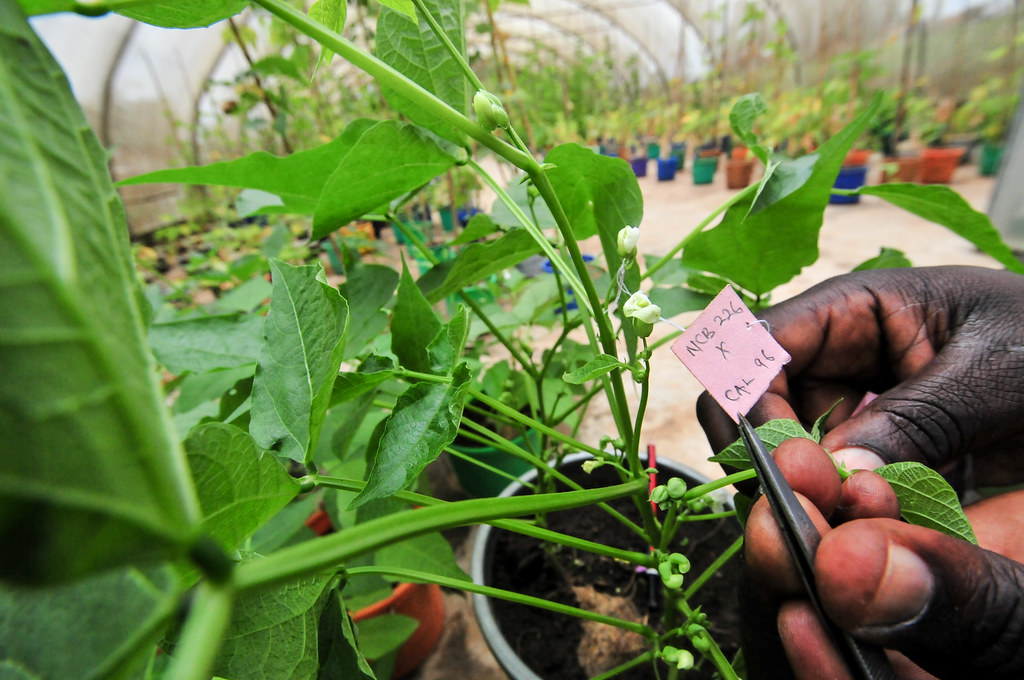
Every bean variety carries unique genetic traits that could help breeders develop more productive and resilient crops
Preserving the building blocks of future crops
Recognizing this need, the Alliance of Bioversity International and CIAT established a common bean gene bank in 2012 at the National Agricultural Research Institute in Kawanda, Uganda, under the Pan-Africa Bean Research Alliance (PABRA). The facility provides a dedicated home for preserving Africa’s bean diversity, bringing together genetic resources from 31 African countries and partners across the region.
Today, the collection holds more than 8,800 unique common bean accessions, making it an important resource for researchers and breeders seeking genetic traits to improve bean production. It is also linked to the Future Seeds gene bank in Colombia, connecting Africa’s conservation efforts to a wider global network for safeguarding plant genetic resources.
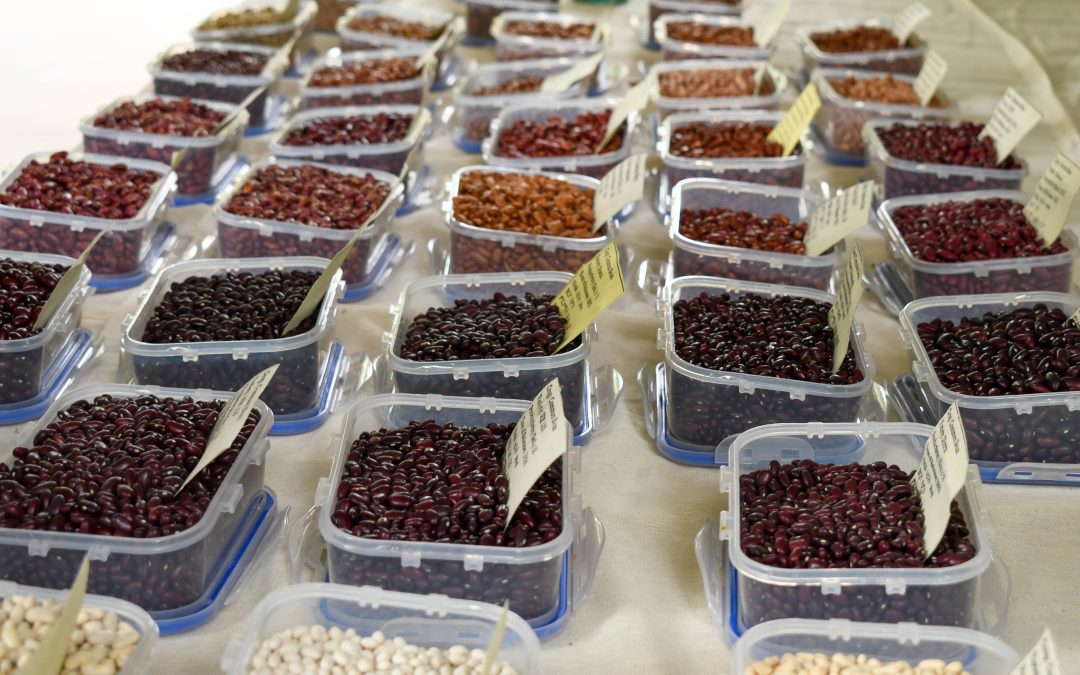
The collection is far from a store of ordinary bean seeds. It brings together improved varieties with desirable characteristics, advanced breeding lines, traditional landraces adapted to different African environments, older varieties with historical and agricultural significance, and wild relatives of common beans. Each offers a different set of genetic characteristics that could prove useful in developing future varieties.
For breeders, this diversity is the starting point for further improvement. As Global Bean Program Leader Dr. Clare Mukankusi, explains: “As breeders, we need diversity to make progress. If we don’t keep different breeding lines with different characteristics, we risk losing them forever.”
Keeping the collection alive
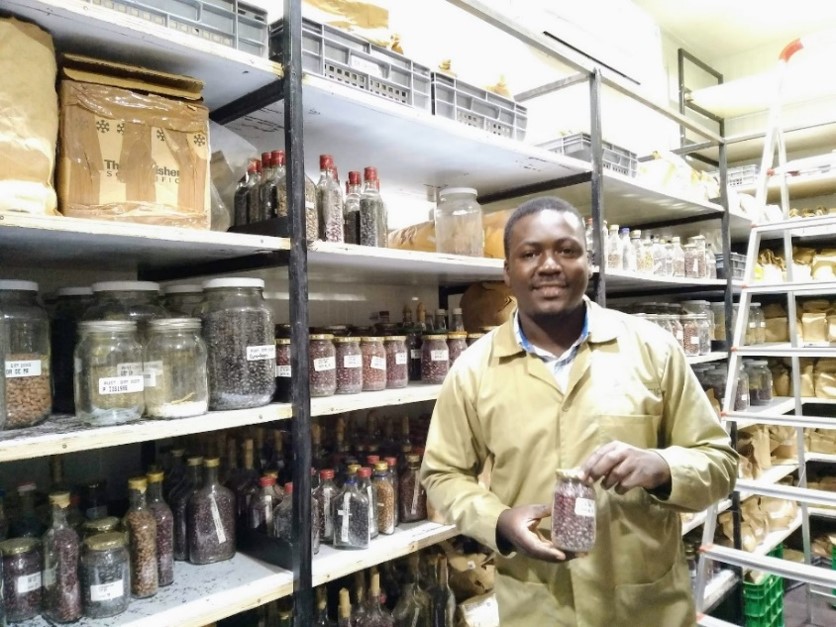
Inside the Kawanda gene bank, carefully preserved bean accessions safeguard valuable genetic resources for future crop improvement
Collecting bean varieties is only the beginning. Keeping them viable for years, while preserving their original genetic characteristics, requires carefully controlled storage and regular maintenance.
At the Kawanda gene bank, seeds are dried to reduce their moisture content to 10% or lower before being stored under controlled temperatures of 5–10°C and relative humidity below 50%. These conditions slow the biological processes that cause seeds to deteriorate, helping preserve their viability.
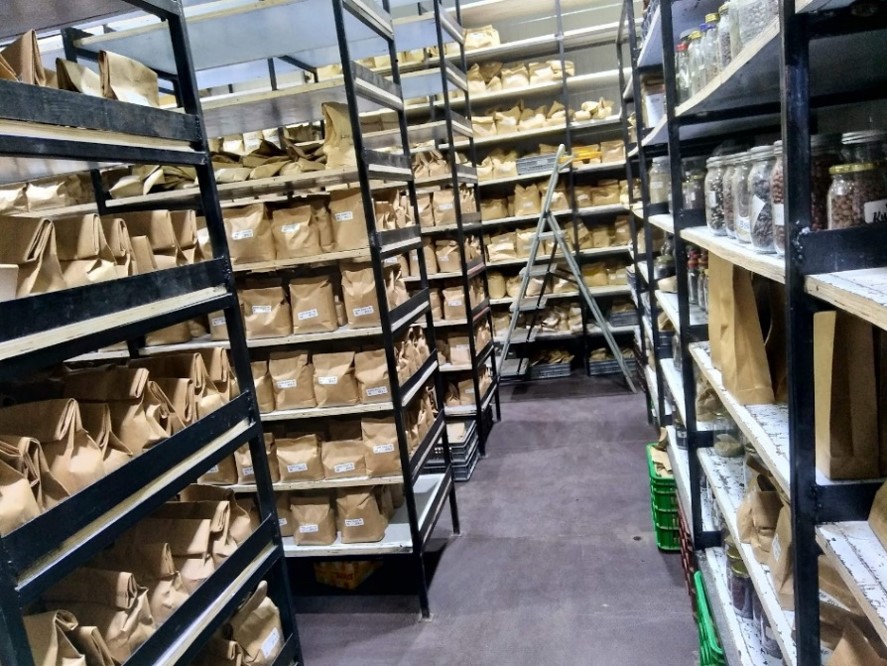
The collections are also periodically regenerated, generally every five to eight years, to maintain their quality and ensure that viable seeds remain available for future use. Selected varieties are preserved for longer periods in vacuum-sealed containers, where they can remain viable for more than 20 years under appropriate storage conditions.
Taking conservation beyond storage
Preserving seeds is not enough if breeders cannot accurately identify and use the genetic resources available. The gene bank is therefore undertaking genome sequencing and DNA fingerprinting across its collections to build a digital reference library of bean genetic resources.
This work will help identify varieties, prevent duplication in the collection and give researchers a better understanding of the genetic characteristics of different accessions. It will also support modern breeding approaches, including marker-assisted selection, helping breeders identify useful traits more efficiently when developing improved bean varieties.
The ultimate beneficiaries are the researchers, breeders and institutions working to improve bean production. Students also access the collection for research and learning, helping build the next generation of agricultural scientists.
Access is provided through a formal request and approval process, with users required to sign a Standard Material Transfer Agreement (SMTA), in line with international rules governing the exchange of plant genetic resources. The agreement provides a framework for the fair and equitable sharing of benefits arising from their use.
An investment in tomorrow’s harvests
The value of the gene bank extends far beyond the seeds stored in its facilities. Its collection represents a reservoir of genetic possibilities that could help address some of the challenges facing bean production in Africa.
As climate conditions change and new pests and diseases emerge, breeders will need access to a wider range of genetic traits to develop varieties that can withstand these pressures while meeting farmers’ production needs. By safeguarding more than 8,800 unique bean accessions, the Kawanda gene bank is helping ensure that these resources are not lost before their potential is fully understood or used.
The seeds preserved today could hold answers to tomorrow’s agricultural challenges. Their conservation safeguards valuable genetic resources that breeders can draw on to develop better, more resilient crops, helping farmers and future generations meet the growing demands on agriculture.
Cover Photo: Safeguarding Africa’s bean diversity today to keep future possibilities for crop improvement alive.