
By Yohane Chideya, Sylvia Maria Pineda, Janviere Umurungi
Africa is fast-changing. By 2050, around two-thirds of Africa’s population is expected to live in urban areas. That shift will reshape not only where people live, but also how food is produced, traded and consumed. Agriculture will have to feed a larger and increasingly urban population, while farmers face growing pressure from climate change, changing diets, declining soil health and limited resources.
For a crop as important to African diets as beans, those changes raise an important question: what kind of beans will Africa need in the future? The answer cannot simply be more beans. Africa will need beans that can produce more under difficult conditions, withstand drought and pests, mature earlier, offer better nutrition, cook faster and meet the changing preferences of consumers and markets. Additionally, as food systems become more commercialized, processors and businesses will increasingly demand beans with specific qualities that farmers and breeders must anticipate. This is where breeding becomes critical.
“We have made some progress, but there is room for improvement,” says Dr. Rowland Chirwa, former Bean Breeder at the Alliance of Bioversity International and CIAT. “We need to fine-tune product profiling and fast-track the movement of varieties from release to seed availability so that more farmers can access them.”
This is exactly what breeders under the Pan-Africa Bean Research Alliance (PABRA) program focused on when they met from 1–3 September in Kigali, Rwanda. Just days after PABRA celebrated 30 years of bringing African bean researchers and partners together, the breeders turned their attention to the challenges that will shape the decades ahead. They looked at what has been achieved, what Africa will need from beans 10, 20 or 30 years from now, and what breeding programs must do today to prepare for that future. They asked themselves some critical questions: How can we develop bean varieties that farmers want to grow, consumers want to eat and markets want to buy? This is in line with CGIAR’s Breeding for Tomorrow.
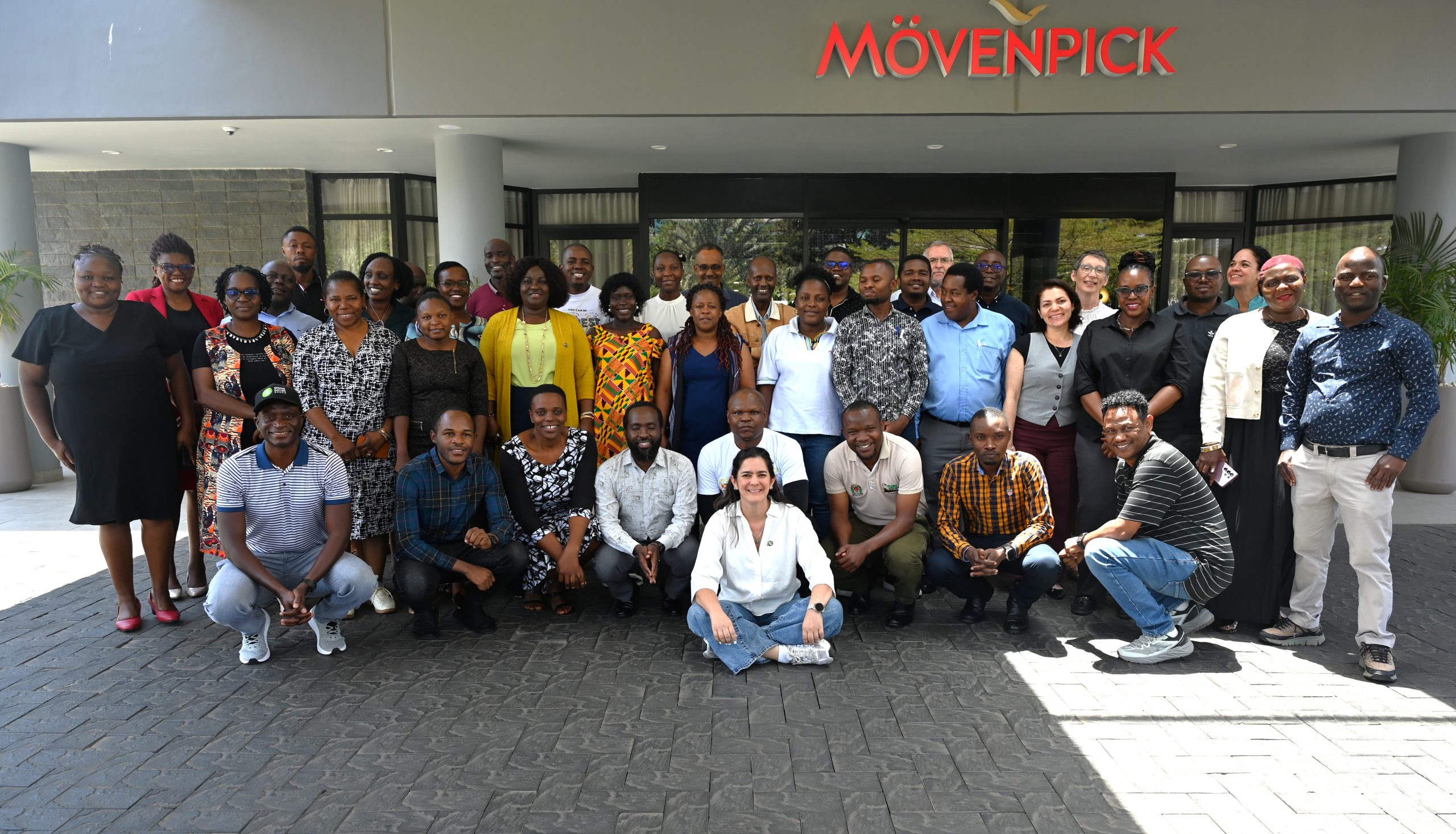
Participants during the bean breeding workshop in Kigali, Rwanda. Photo: Yohane Chideya
Putting farmers and markets at the center
PABRA and its partners have, over the years, shifted from a traditional breeding approach towards a more demand-led model that puts farmers, consumers and markets at the center. Rather than starting with what breeders can develop and asking later whether farmers or businesses want it, the process begins by understanding the market and the needs along the value chain. What type of bean is needed? Who will use it? Which traits matter most? What will farmers be willing to grow? What does the processing industry require? And ultimately, what will consumers buy?
These questions help breeders develop Target Product Profiles, which is a clear set of traits that a new variety should have to meet the needs of a particular market segment. For Global Breeding Lead at the Alliance of Bioversity International and CIAT, Clare Mukankusi, a better approach means understanding the market in each country, identifying the needs, defining the traits required and then bringing value-chain actors and clients – including farmers and consumers – into the process.
“It is a process that is very time consuming, but it is very important to ensure that we are going to have food at the end of the day,” she says.
The approach also recognizes that breeding cannot be done by one institution or one country alone. Across Africa, national breeding programs work in different environments and have different levels of capacity. However, bringing these teams together under PABRA allows them to share knowledge, analyze data collectively and identify varieties and traits that can perform across countries and regions.
“When we identify better-performing varieties and increase production, farmers can earn more from their beans, while Africa can strengthen its position in export markets. That is why bringing breeders together to identify the best varieties is so important,” she says.
From the breeding program to the value chain
Understanding market preferences also means involving the wider value chain early. Seed companies, farmers, processors and other businesses need to help shape what is bred, so that new varieties meet both farmer and industry requirements.
Chirwa points to South Africa’s canning industry as an example. A variety may perform well in the field but fail to meet the qualities required by processors. Bringing industry into the breeding process early helps avoid this gap and ensures that, as varieties move towards release, seed companies are already prepared to multiply and commercialize them.
“We have to work as a team,” he added. “All other stakeholders must come into play from the start as we design the varieties, make the crosses and evaluate together.”
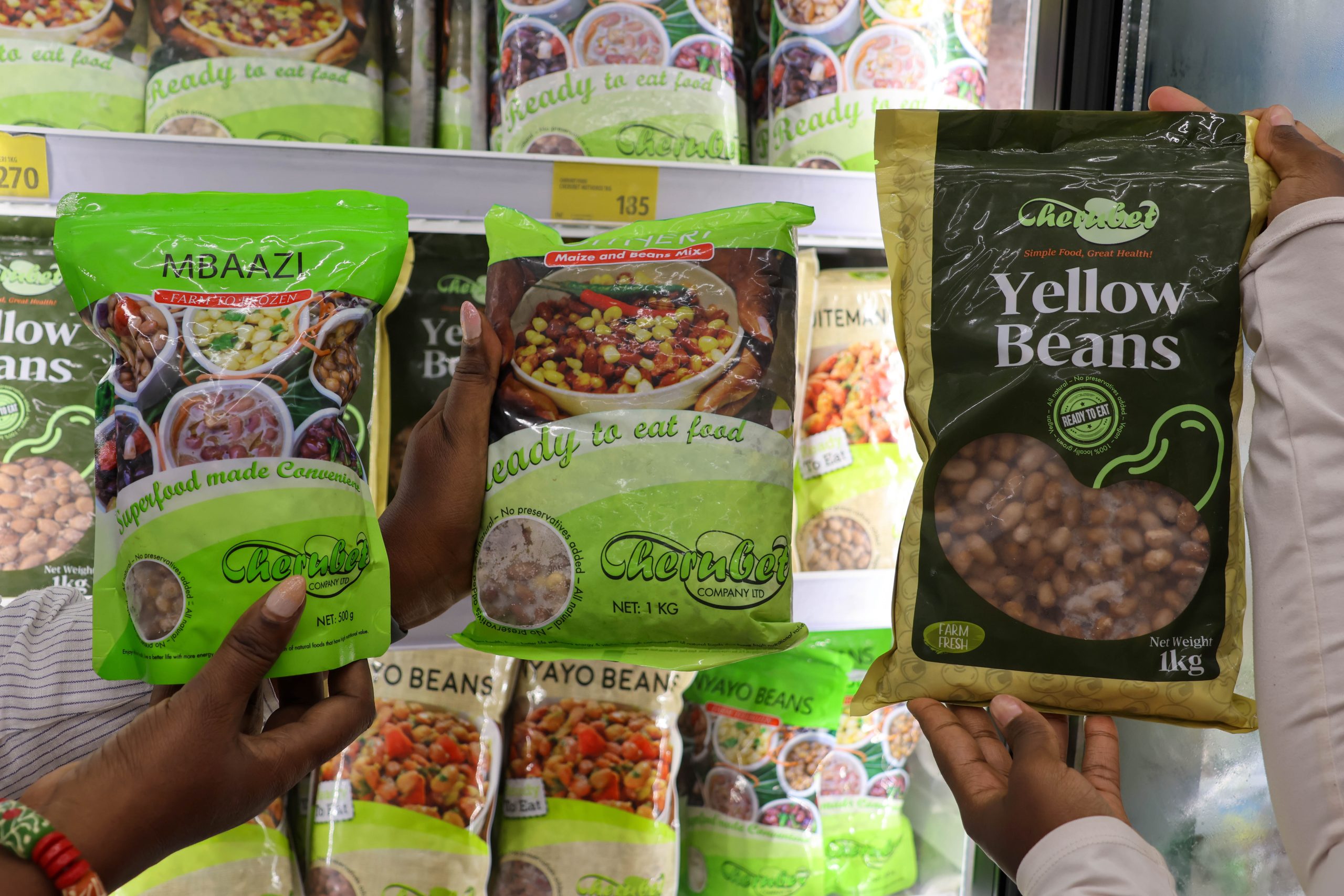
Building value into the bean—from farmers’ fields to processors and consumers – Photo: Anastacia Theuri
From market needs to breeding priorities
The shift begins before crosses are made. Once a market segment is identified, breeders and partners define the Target Product Profile—the combination of characteristics that the variety needs to deliver. That could mean early maturity for farmers facing shorter growing seasons. It could mean drought tolerance for increasingly unpredictable rainfall. It could mean resistance to anthracnose, bean stem maggot or bruchids. It could mean more seeds per pod, higher yield or traits that consumers and processors specifically demand.
Moreover, it means cooking time. Through the Rapid Cooking Bean Project (RCBP) supported by the Australian Centre for International Agricultural Research (ACIAR) in partnership with the University of Western Australia (UWA), researchers are working towards bean varieties that can cook more than 30 percent faster. It may sound like a small improvement. For consumers who cook beans regularly, however, it can mean less time, fuel and effort spent preparing one of Africa’s most important foods. The work is also strengthening the infrastructure needed to make these innovations possible, including improvements to cooking laboratories and testing facilities.
The second phase of the initiative, running from 2026 to 2031, will expand the project beyond its initial focus in Uganda, Ethiopia, Kenya, Tanzania, Burundi and Rwanda to include Malawi, Cameroon and Ghana, according to Professor Wallace Cowling, Plant Breeder and Professor of Plant Breeding and Genetics at the University of Western Australia (UWA). ACIAR will also support PABRA’s regional trials, helping extend the testing of promising bean varieties across Africa.
“ACIAR seeks to generate a legacy of impact across the African continent. In the second phase, new rapid-cooking bean varieties will be developed, released and promoted in Africa, extending from East Africa to the wider continent. Innovative crop-breeding methods will also be passed on to the next generation of African plant breeders and agronomists through training programs delivered under the project,” he said.
Regional trials are planned for 2027 across East, West, Central and Southern Africa, testing promising materials against priorities that matter to farmers and markets, including early maturity, disease resistance and other traits linked to climate resilience, productivity and market demand.
At the same time, PABRA Academy students are strengthening their skills in breeding and seed systems, while national programs and seed companies continue to build the capacity needed to take promising varieties forward.
Turning collaboration into action
The need for this shift will only grow as Africa’s food systems change. Stephen Beebe, Former Bean Breeder with the Alliance of Bioversity International and CIAT, says PABRA’s partnerships across research, seed systems, markets and end users put it in a strong position to explore new frontiers in bean breeding.
“The world of bean genes is really infinite,” Beebe says. “We have one of the most diverse crops being investigated currently, and there are many options for new frontiers.”
For PABRA, the task now is to turn this potential into more action. 30 years of partnership have built a strong foundation; the next step is to use it to anticipate what farmers, consumers and markets will need in the decades ahead and begin developing those solutions today.