
By Eliud Birachi, Yvonne Uwase Munyangeri, Blanche Murera
At the break of dawn in Rwanda’s Western Province, life stirs into motion. The sun lifts slowly from the east as villages awaken to another long day in the fields and diverse workplaces that keep households going. In the distance, children of all ages walk along dusty paths toward their schools, chasing lessons and dreams. It is a routine rhythm, repeated every morning. Yet beneath this routine lies a quiet, persistent challenge – malnutrition, affecting thousands of families.
In this region, stunting of children is alarmingly high, not because parents are indifferent, but because nutritious food is often hard to access, and diets lack variety. Meals repeat themselves day after day, and families stretch what little they have with remarkable resilience, care, and hope.
It is against this backdrop that the Alliance of Bioversity International and CIAT, through the Pan-Africa Bean Research Alliance (PABRA), partnered with Rainbow Health Food Ltd to conduct field activities across five districts. The focus was never just on products. It was, first and foremost, about people. Through this collaboration, science meets everyday life, blending research, community engagement, and practical solutions to promote nutrient-rich foods, strengthen local value chains, and improve dietary practices where they matter most. These efforts are in line with Rwanda’s National Strategy for Transformation (NST 2), which prioritizes nutrition-sensitive development, as well as the Fifth Strategic Plan for Agriculture Transformation (PSTA 5), which focuses on building resilient and sustainable agri-food systems.
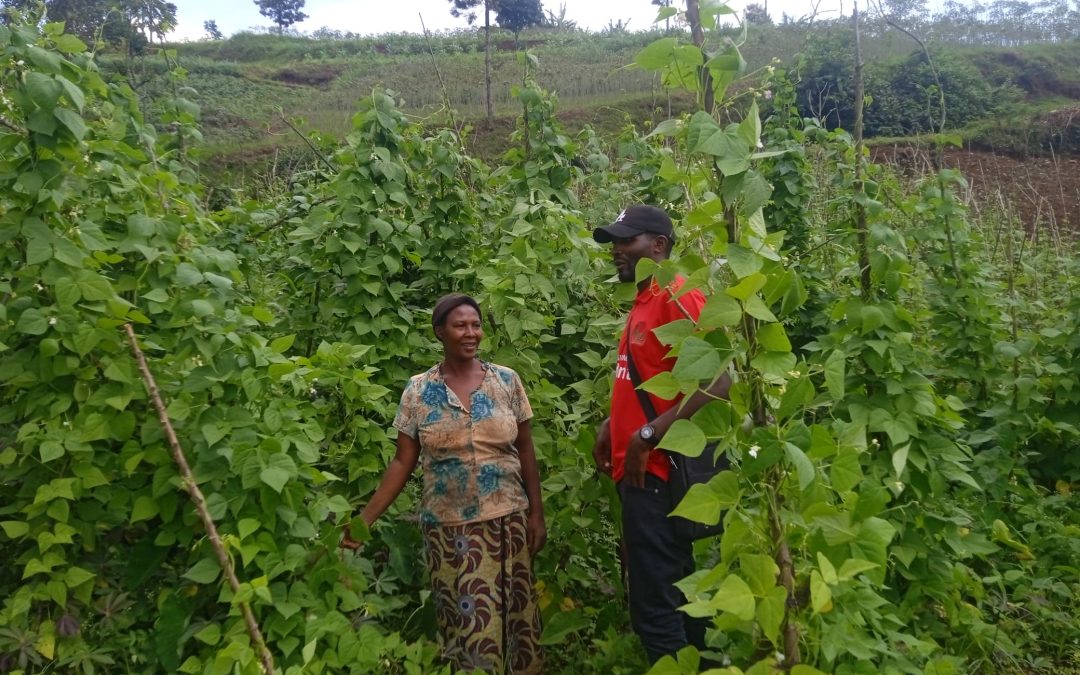
The team, led by Diane Mukamuremyi and Habimana Damien from Rainbow Healthy Food Limited talked about high-iron beans and composite flour. As part of the engagement with the locals, families were asked what they eat on normal days and on difficult days. The team learned about mothers skipping meals out of love, so children can eat first.
Malnutrition in Rwanda: Why the Western Province needs special attention
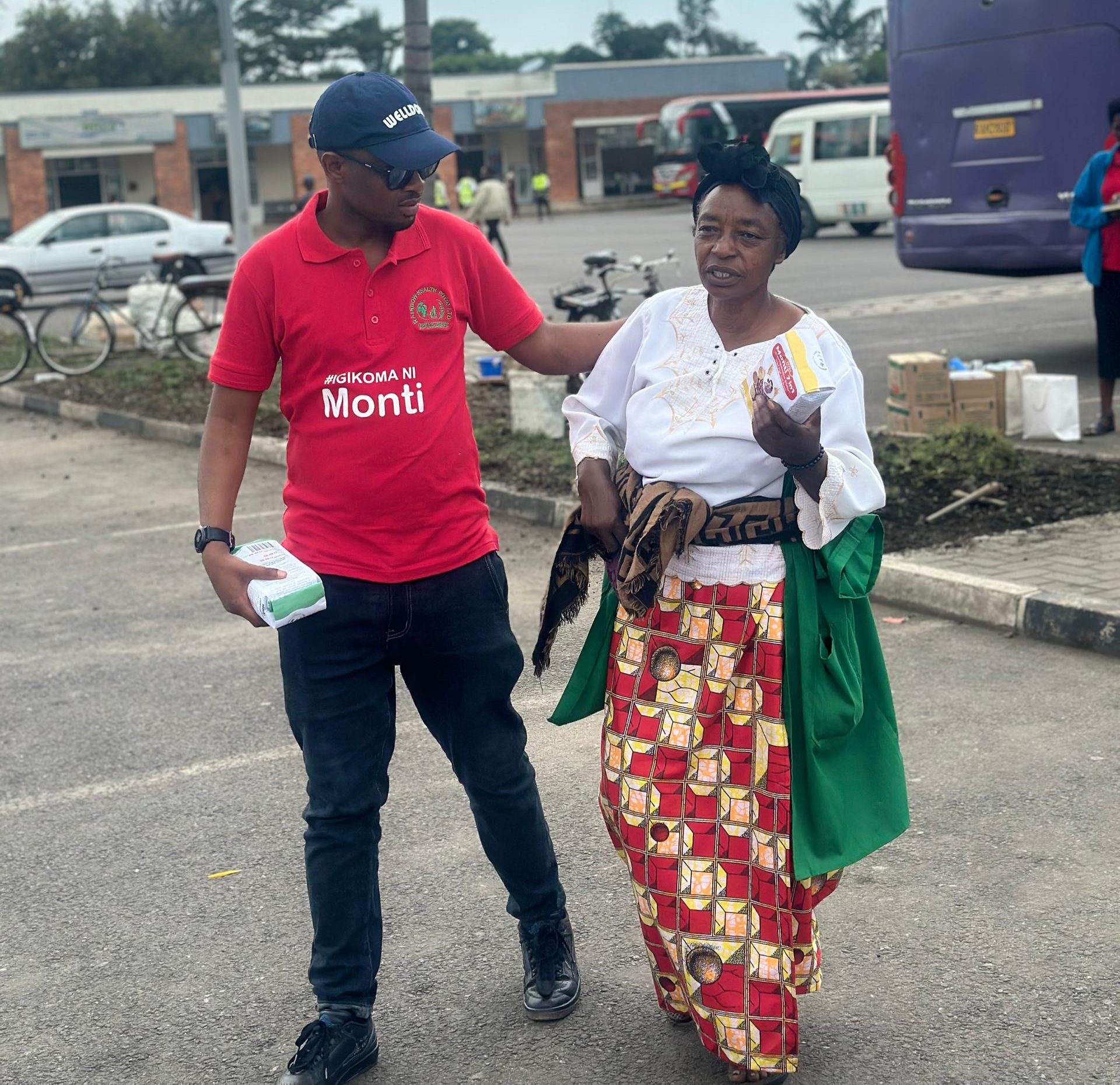
Photo 2: Limitless: Addressing nutrition right on the streets, where daily life unfolds
Rwanda has made tremendous progress in improving nutrition over the past years, yet many families still face challenges in accessing diverse and nutrient rich foods. According to the 2024 National Comprehensive Food Security and Vulnerability Analysis (CFSVA) for Rwanda, conducted by the National Institute of Statistics of Rwanda (NISR), nearly one in three children under the age of five (29.7%) is stunted – showing long-term nutrient deficiencies that affect growth, learning, and overall health. On the other hand, underweight levels remain at 8.4%, revealing a combination of both chronic and short-term nutritional gaps while wasting stands at 2.1% lower than previous years but still a reminder that many children experience sudden nutritional stress.
With the stunting rate of 37% in the Western Province, coupled by underweight prevalence of 9.1%, the rate is above the national average. As they travelled through Karongi, Rusizi, Rubavu, Nyamasheke, and Rutsiro Districts some things were evident. Limited incomes, low food diversity in markets, and a lack of nutrition information are all contributing to the persistent challenge. It became clear why biofortified foods, especially high-iron beans and bean composite flour can make a difference because they build on foods people already know, trust, and grow locally.
Bringing nutrition closer to communities
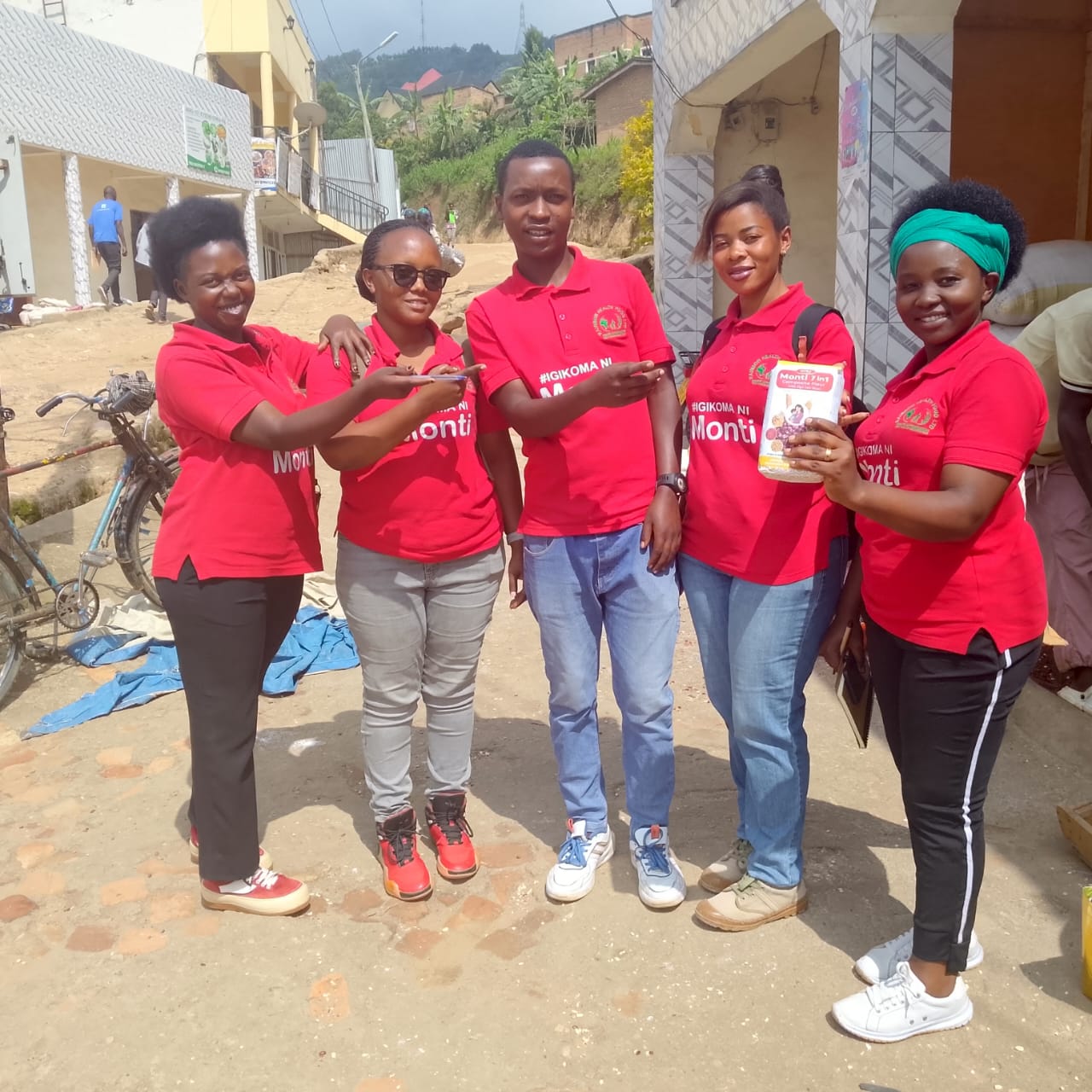
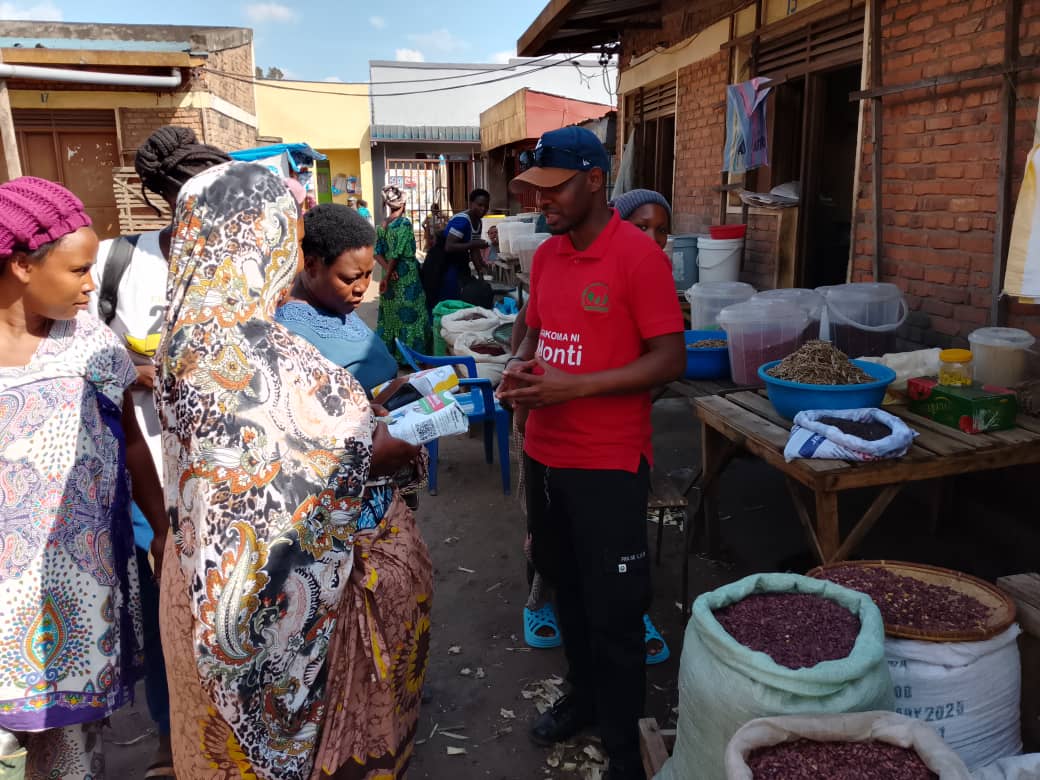
Photos 3 and 4: Community engagement in action, as nutrition awareness reaches households and streets alike
For four days, 30 women and youth from Rainbow Healthy Food Ltd. traveled across 20+ schools, 25 local markets, 10 community gatherings, farms, and two tea factories, spreading the message about high-iron beans and bean composite flour. Their goal was simple: spark conversations about nutrition, demonstrate practical ways to prepare healthy meals, and listen to households to understand everyday challenges.
At each stop, the team led cooking demonstrations, engaged families in relatable discussions, and showed how small changes at home can lead to healthier families. Alongside this, 40 Community Health Workers were trained to strengthen nutrition counselling at the community level. Across every interaction, one thing was clear: when given simple, accessible information, communities respond with curiosity, confidence, and readiness to act.
A Caregiver shared: “Malnutrition has affected our children through frequent illness, low appetite, and poor growth. We are hopeful that access to high-iron beans and bean composite flour, together with the nutritional education we have received, will help improve our children’s health over time. We now feel more confident preparing nutritious porridge and meals, and we hope our children will grow stronger, healthier, and do better in school.”
Collaborated impact in action
By the end of the mission, the team had reached far beyond its initial expectations. Through structured surveys, 1,339 individuals were recorded and with over 8,000 others sensitized across five districts. Community members not only learned about the nutritional benefits of high-iron beans and composite flour but also showed strong interest in incorporating them into their households. In total, 635 kilograms of composite flour were purchased during the activation days generating RWF 1,438,600 (USD 1,000) in sales.
Beyond the numbers, it was the conversations that truly mattered. Mothers asking questions about their children’s diet, teachers discussing school feeding programs, and health workers eager to strengthen nutrition counselling. These moments of engagement are what drive lasting change and build trust within communities.
Looking ahead
By working hand in hand with local farmers, caregivers, and stakeholders, the team went beyond simply studying malnutrition. They became part of the solution – supporting practical, lasting actions that strengthen health and well-being in communities across the country.
Improving nutrition is a shared responsibility. The work continues alongside district leaders, schools, Community Health Workers, and households to expand nutrition education and increase access to fortified and biofortified foods that families can use every day.
The hills of the Western Province may stretch far, but so does the determination of its people. Every household reached, every conversation sparked, and every lesson shared marks a step toward a future where no child suffers from preventable malnutrition.
Cover Photo: The team pushed the initiative further afield—right into the bean fields