
By Paula Janviere Umurungi, Yvonne Munyangeri, Eliud Birachi
In Kigali, CGIAR Centers in Rwanda convened scientists, researchers, and development partners to mark International Women’s Day 2026 as a platform for reflection, dialogue, and action on the role of women in transforming agrifood systems. Under the theme “Empowered women, transforming agrifood systems,” the event moved beyond commemoration to foster evidence-based discussions on advancing gender inclusion across agricultural research and innovation.
The engagement brought together women professionals from across CGIAR centers, creating space to share lived experiences, examine persistent barriers, and identify pathways for strengthening women’s participation and leadership. Panel discussions highlighted that while Rwanda has made significant progress through enabling policies and programs, societal norms and structural challenges continue to shape women’s opportunities in science and agrifood systems.
Dr. Zawadi Solange, Country Program Manager for the IFPRI Rwanda Strategy Support Program, emphasized this dual reality, noting that progress must be matched with continued effort to overcome entrenched barriers. She underscored the importance of resilience and clarity of purpose, encouraging women to actively pursue their goals despite competing demands. In her reflection, she highlighted the evolving role of women: no longer solely caregivers, but also key contributors to household income—making their dual responsibilities both essential and demanding.
Complementing this perspective, IITA Representative in Rwanda, Dr. Konlambigue Matieyedou stressed the importance of long-term investment in women’s careers through higher education and strategic planning. She encouraged women in science to pursue advanced opportunities, including doctoral studies, noting that such investments not only strengthen individual career trajectories but also enhance the capacity of institutions and communities to innovate and adapt.
Together, these insights reinforced a central message: women are not merely participants in agrifood systems, but critical drivers of innovation, resilience, and transformation.
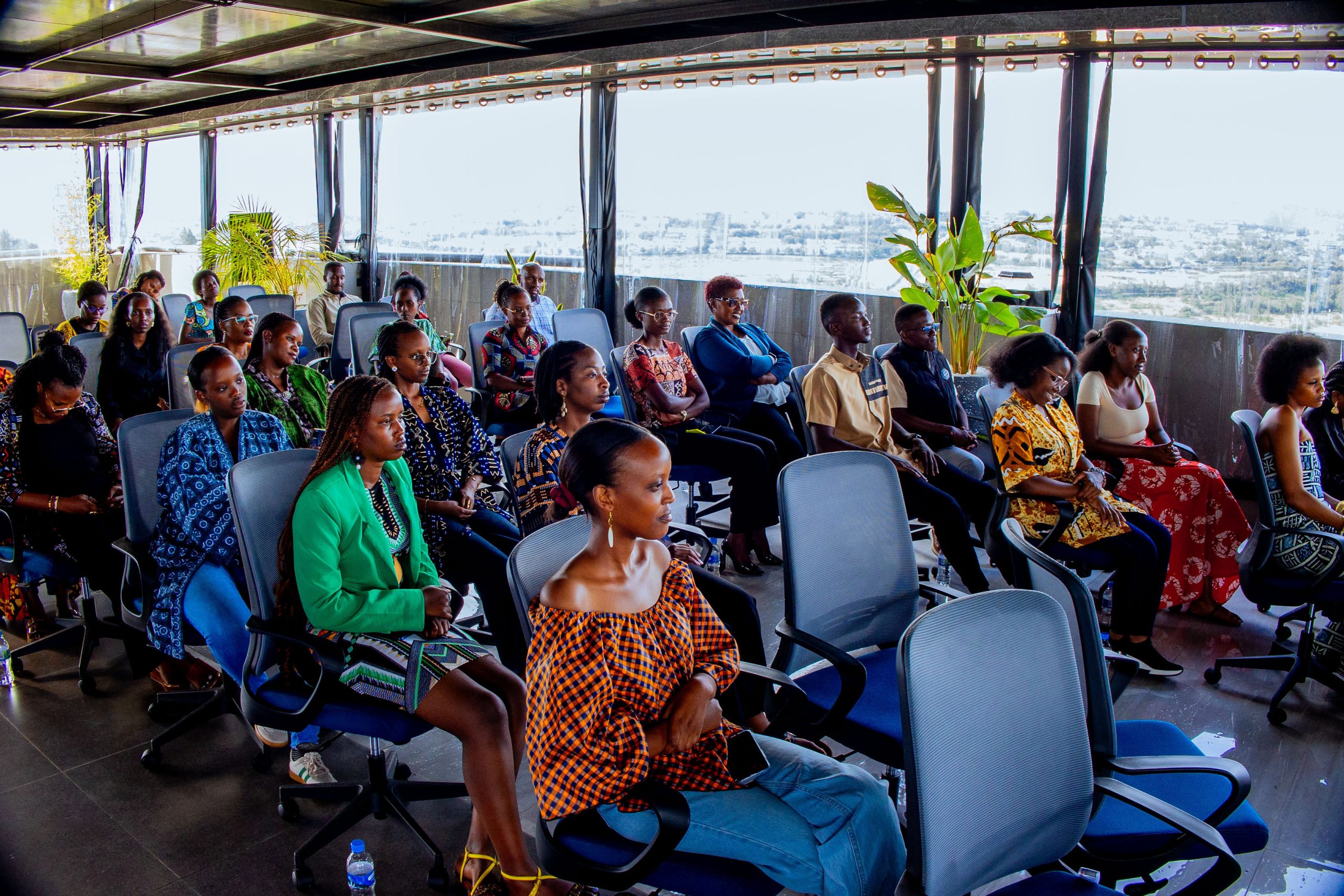
Women are recognized as key drivers of innovation, resilience, and transformation
A key highlight of the event was the address by Dr. Solange Uwitunze, Minister of State at the Ministry of Agriculture and Animal Resources (MINAGRI), whose remarks aligned closely with CGIAR’s mission of inclusive agricultural transformation. She underscored the strategic importance of investing in women, stating, “Empowering women is not just a matter of equality—it is a strategic investment in the transformation of our agrifood systems and the future of our communities.”
She further emphasized the central role women play across the food system: “Women are not only participants in food systems; they are leaders, innovators, and drivers of resilience from farm to table.” Her remarks called for a shift from symbolic recognition to meaningful inclusion, stressing that, “If we are serious about sustainable development, we must ensure that women’s voices are not only heard, but actively shape policies and decisions in agriculture.”
Grounding her message in lived realities, she added, “The lived realities of women remind us that empowerment must go beyond words—it must translate into access to resources, knowledge, and leadership opportunities.”
Throughout the event, participants echoed a collective call for action: transforming agrifood systems requires deliberate and sustained investment in women’s potential. As emphasized in the closing reflections, “We must move from acknowledging women’s contributions to fully investing in their potential as agents of change.”
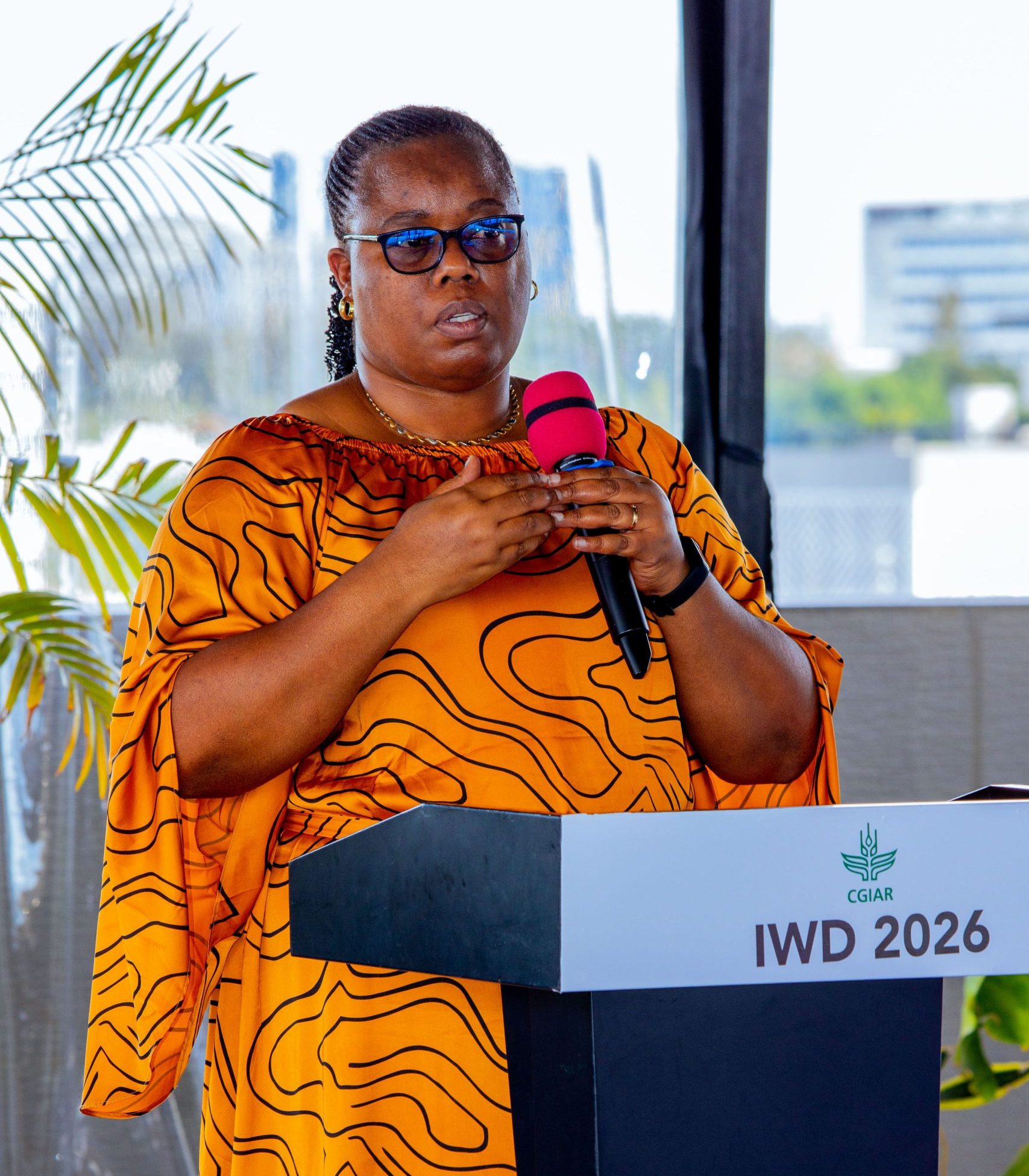
Dr. Solange Uwitunze: Empowerment must go beyond words
The engagement concluded with a renewed commitment among CGIAR and its partners to strengthen gender-responsive research, expand opportunities for women’s leadership, and build inclusive systems that enable women to thrive. Priority actions identified included enhancing access to resources and finance, supporting capacity development, and fostering institutional environments that promote equity and inclusion.
As CGIAR continues to advance research and innovation in Rwanda, centering women in agrifood systems transformation remains critical. Enabling women to lead, innovate, and participate fully is not only essential for achieving sustainable agriculture—it is fundamental to building resilient communities and securing long-term food and nutrition outcomes.