By Yohane Chideya, Sylvia Kalemera
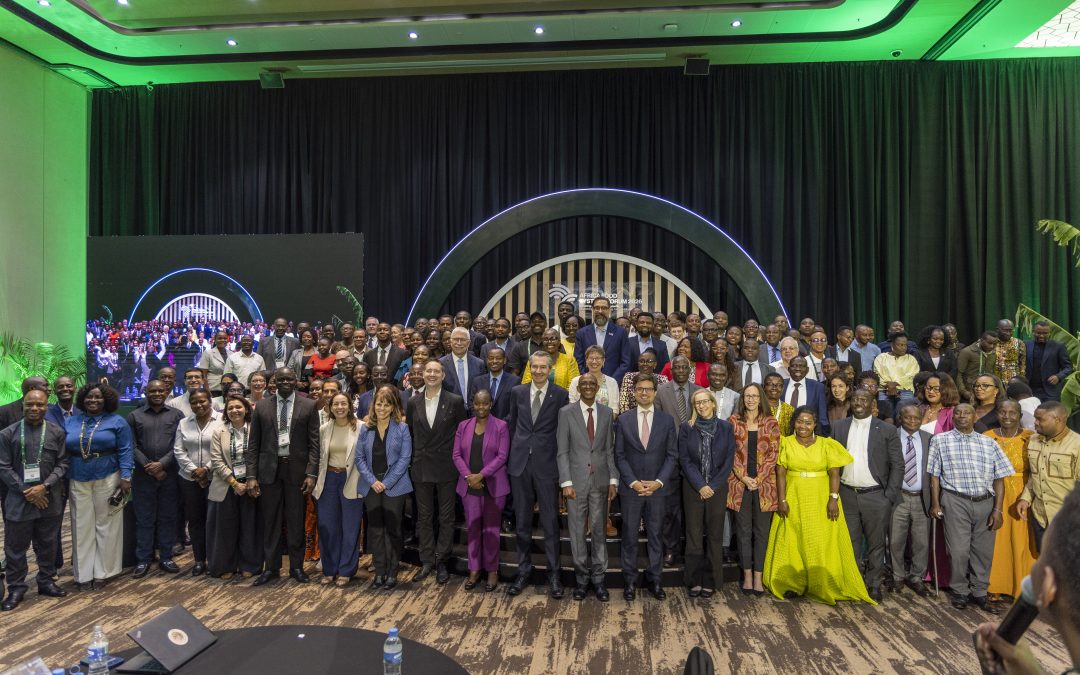
Warm Monday morning. Inside the Kigali Convention Centre in Rwanda, the room is alive with excitement. Smiles stretch across familiar faces. Old friends embrace. Laughter fills the spaces between conversations as delegates arrive, reconnect and share in the anticipation of a milestone three decades in the making.
Then comes a sense of pride in the room. Of joy. Of having made it this far. Then the room settles. Eyes turn to the stage. Then comes the words.
“PABRA’s 30 years of impact is an extraordinary achievement. Canada is proud to have been part of that story,” highlighted Julie Delahanty, President of Canada’s International Development Research Centre (IDRC), as she joined hundreds of delegates in celebrating three decades of the Pan-Africa Bean Research Alliance (PABRA) on August 31, 2026, on the sidelines of the Africa Food Systems Forum.
For Delahanty, PABRA’s remarkable journey is a reminder that lasting change does not always begin with a groundbreaking technology, but with something much more familiar like beans – a crop already at the heart of hundreds of millions of households.
The same long-term partnership has also shaped how beans are viewed, not simply as a commodity, but as a platform for nutrition, climate resilience and enterprise development, said Julie Crowley, the then High Commissioner of Canada to Rwanda.
“Bean Corridors is tangible evidence of this shift. It brings farmers, traders and seed companies together in a public-private partnership, connecting them along a single value chain and turning the bean into a pathway for greater opportunity,” Crowley explained.
Switzerland’s Ambassador to Rwanda, Gilles Cerutti, who reflected on Switzerland’s long-standing partnership with PABRA and the CGIAR, shared similar sentiments. “As Switzerland, this anniversary is particularly meaningful. Our partnership with CIAT led to the establishment of the first research networks on beans in Africa, laying the foundation for the creation of PABRA,” he said. Switzerland joined Canada, USAID and African governments in PABRA’s first phase, and has since evolved into one of Africa’s leading agricultural research networks, reaching millions of people across 31 countries.
On his part, Director General of the Alliance of Bioversity International and CIAT, Juan Lucas Restrepo, highlighted PABRA’s growth, “PABRA is the perfect example of partnership and impact on the ground.”
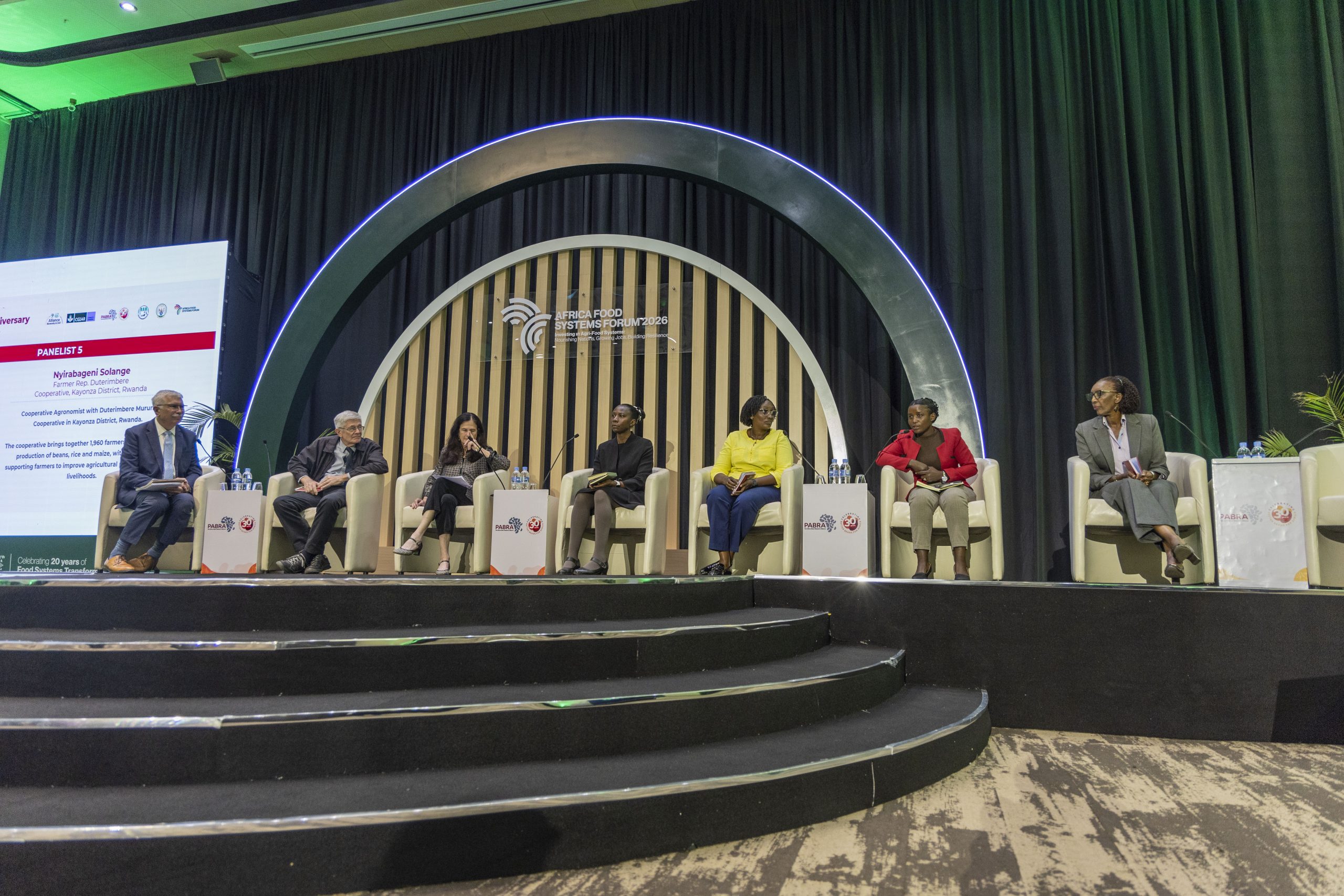
Panel discussions at PABRA30 brought diverse voices together to reflect on 30 years of impact and look ahead to the future of beans, farmers and food systems
What 30 years of real impact looks like
Generally, 30 years can be measured in time. However, in PABRA, it can also be measured in seeds multiplied, varieties released, farmers reached, businesses created and children fed. Over the last three decades, PABRA has helped move bean research from laboratories and breeding stations into farmers’ fields, markets, kitchens and school feeding programs.
“Developing a variety is only the beginning. Farmers need access to quality seed, and that is why building strong seed systems became such an important part of PABRA’s work. We started experimenting with different approaches, including in Ethiopia, and continued strengthening systems that could move improved seed from research stations to farmers,” said PABRA Director Jean Claude Rubyogo.
Impact begins with good seed. Between 1995 and 2025, PABRA helped deliver 624 unique bean varieties, with 734 releases across countries — a result of decades of breeding, testing and selection. However, the real test begins when the seed leaves the research station.
Under PABRA, production has also grown alongside the network. Average annual breeder seed production increased from 50.7 metric tons in 2015 to 159.4 tons in 2025. Foundation seed production rose from 188.2 tons to 1,463 tons over the same period. Certified seed production also increased, from an annual average of 11,291.3 tons to 18,393.5 tons, while Quality Declared Seed production grew from 587.5 tons to 912.9 tons.
In addition, the seed being produced is increasingly new. Improved varieties less than 10 years old accounted for less than 17% of commercial seed production in 2015. By 2025, their share had risen to 40.9%. That means farmers are gaining access not only to more seed, but to newer varieties developed to respond to changing needs.
Not only that, but also the number of seed producers and organizations engaged in the system grew from 101 in 2015 to 356 in 2025. The network now includes 124 seed companies, 59 farmer groups, 73 individual seed producers, 38 cooperatives, 27 community-based organizations and 41 non-governmental organizations.
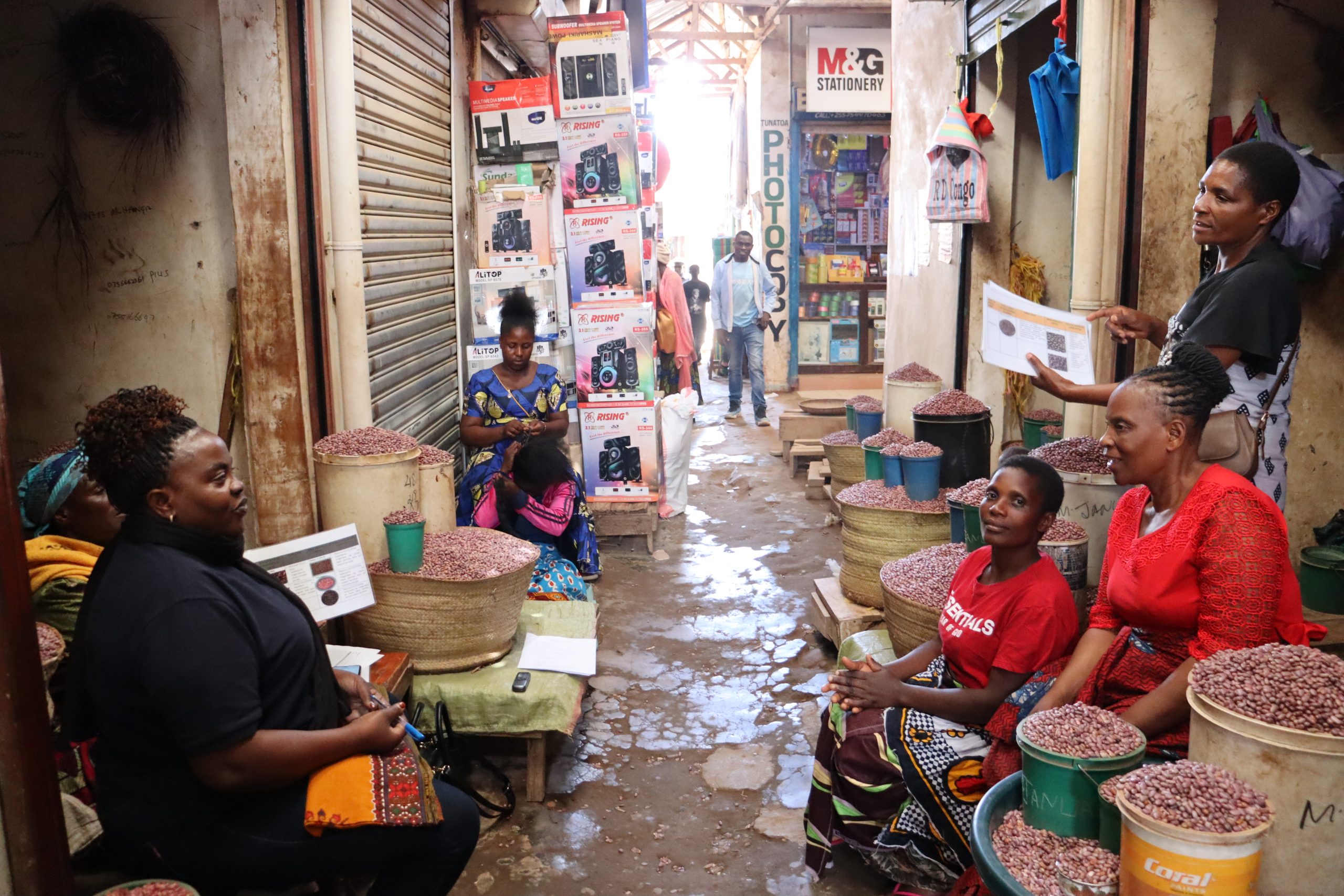
The number of small and large-scale bean producers has increased significantly over the years
By 2025, PABRA had reached an estimated 46 million people across 31 African countries, 58.9% of them women, improving productivity, food and nutrition security, and livelihoods. Beyond the farm, stronger value chains are driving processing and new bean products, with bean flour reaching 3.48 million people by 2021.
Furthermore, PABRA’s work has also strengthened the role of beans in addressing another challenge: nutrition. By 2025, about 3.5 million learners had been reached through school meals featuring quality bean-based foods, including varieties with higher iron and zinc and shorter cooking times.
The reach of high-iron beans has grown even further. By 2025, more than 27 million people were consuming high-iron beans, with women accounting for 55.9% of consumers. At the same time, more than 12 value-added bean products have been commercialized, with another eight prototypes developed.
A bean model with lessons beyond beans
Rubyogo further said the journey has been about turning a shared vision into impact. In three decades, PABRA has brought together 755 partners across the bean ecosystem — from national agricultural research programs and universities to farmers, seed companies, businesses, governments and development partners — connecting fragmented research networks and ensuring improved varieties reach the farmers who need them.
“PABRA was born from a simple question: why don’t we come together and build one continental network? That decision changed how we breed, produce and deliver beans for Africa,” said Rubyogo.
For Cerutti, PABRA’s impact is a journey worth celebrating, reflecting Switzerland’s long-term investment of tens of millions of Swiss francs to build more productive, resilient and inclusive food systems. But, he emphasized, research matters most when it translates into solutions that improve everyday lives — a principle demonstrated through the Switzerland-supported School Feeding Initiative in Rwanda’s Karongi, Nyamasheke and Rusizi districts.
Thirty years of impact is not the end of the story. It is also a question of what comes next. Jeff Ehlers of the Gates Foundation, whose work supports Tropical Legumes, brought this perspective to the celebration, drawing on more than a decade of investment in tropical legumes and crop improvement.
Ehlers said: “PABRA had not only delivered results for beans but created a model worth replicating.”
The Foundation’s investments span several crops, including common bean, groundnut, cowpea, sorghum and pearl millet. Ehlers noted that PABRA’s approach to demand-led breeding, farmer-focused seed production and close collaboration with national programs had stood out strongly, with lessons now being adapted for other crops.
An independent evaluation of the Gates Foundation’s legume improvement portfolio, covering more than 12 years of investment, offers evidence of the impact. Of the six legumes assessed, common bean recorded the largest yield gains. In Tanzania, farmers who adopted new bean varieties reported yields 33% higher than before—an increase of more than 200 kilograms per hectare.
The numbers show how far PABRA has come. But perhaps the clearest measure of 30 years is what happens when those numbers are translated into everyday life: a farmer planting better seed, a child eating a more nutritious meal, a woman building a business, a family earning more income, or a community growing food better suited to a changing climate. That is exactly what 30 years of impact looks like—not just in numbers, but in lives changed.
Photos: Anastacia Theuri and Owen Kimani