
By Eunice Magwaya, Evans Chizula, Adon Phiri, Wilson Nkhata
Farmer involvement defines the approach of the Pan-Africa Bean Research Alliance (PABRA) program of the Alliance of Bioversity International and CIAT, ensuring that innovation is shaped by those who grow, consume, and market beans. Traits such as drought tolerance, climate resilience, faster cooking times, improved nutrition, desirable taste, and strong market appeal are all considered through the lens of farmers.
In Malawi, where beans are cultivated by more than 80 percent of smallholder farmers alongside maize, farmer perspectives are especially important. It is against this backdrop that nearly 200 farmers from Ntchisi, Mzimba, Rumphi, and Dedza districts recently participated in a Participatory Variety Selection (PVS) exercise under the Growth Poles Initiative led by Palladium. Their involvement is helping researchers identify bean varieties that best match farmers’ production needs and market preferences.
The exercise brought together 197 farmers, including 132 women and 65 men, highlighting the central role women play in bean production, seed selection, household nutrition, and marketing. Participants evaluated promising sugar and canning bean varieties under real farming conditions, providing critical feedback that will help guide the advancement and eventual release of varieties with the greatest potential for adoption.
Putting farmers at the center of research
Rather than relying solely on scientific assessments, the PVS exercise placed farmers at the heart of the evaluation process, allowing them to judge varieties based on the characteristics they value most.
Participants assessed traits such as yield potential, disease resistance, seed size, marketability, pod load, plant vigor, and overall field performance. Because the varieties were grown under farmer-managed conditions, participants were able to observe firsthand how they performed in environments similar to their own farms.
To ensure that the views of both women and men were fully captured, voting was conducted separately by gender. This approach enabled researchers to identify areas of consensus while also highlighting differences in preferences between the two groups.
The strong participation of women was particularly significant, ensuring that the priorities of one of the most influential groups in bean production were reflected in the selection process.
Farmers welcome a voice in variety development
Beyond evaluating varieties, the exercise created an important platform for interaction between researchers, extension officers, and farming communities.
For many participants, being consulted before varieties are released marked a welcome departure from traditional approaches, where farmers often encounter new technologies only after key decisions have already been made.
Speaking during the exercise in Champhira Extension Planning Area in Mzimba District, farmer Benson Ngulube described the experience as empowering.
“Alliance of Bioversity and CIAT has given us a rare opportunity to select a variety of our choice,” he said.
His remarks reflected the views of many participants, who appreciated having a say in research that directly affects their livelihoods.
Farmers noted that the process allowed them to assess varieties based on actual field performance and select those they believed would best meet both production and market requirements. Such involvement is expected to increase the likelihood that future varieties will be accepted and widely adopted once released.
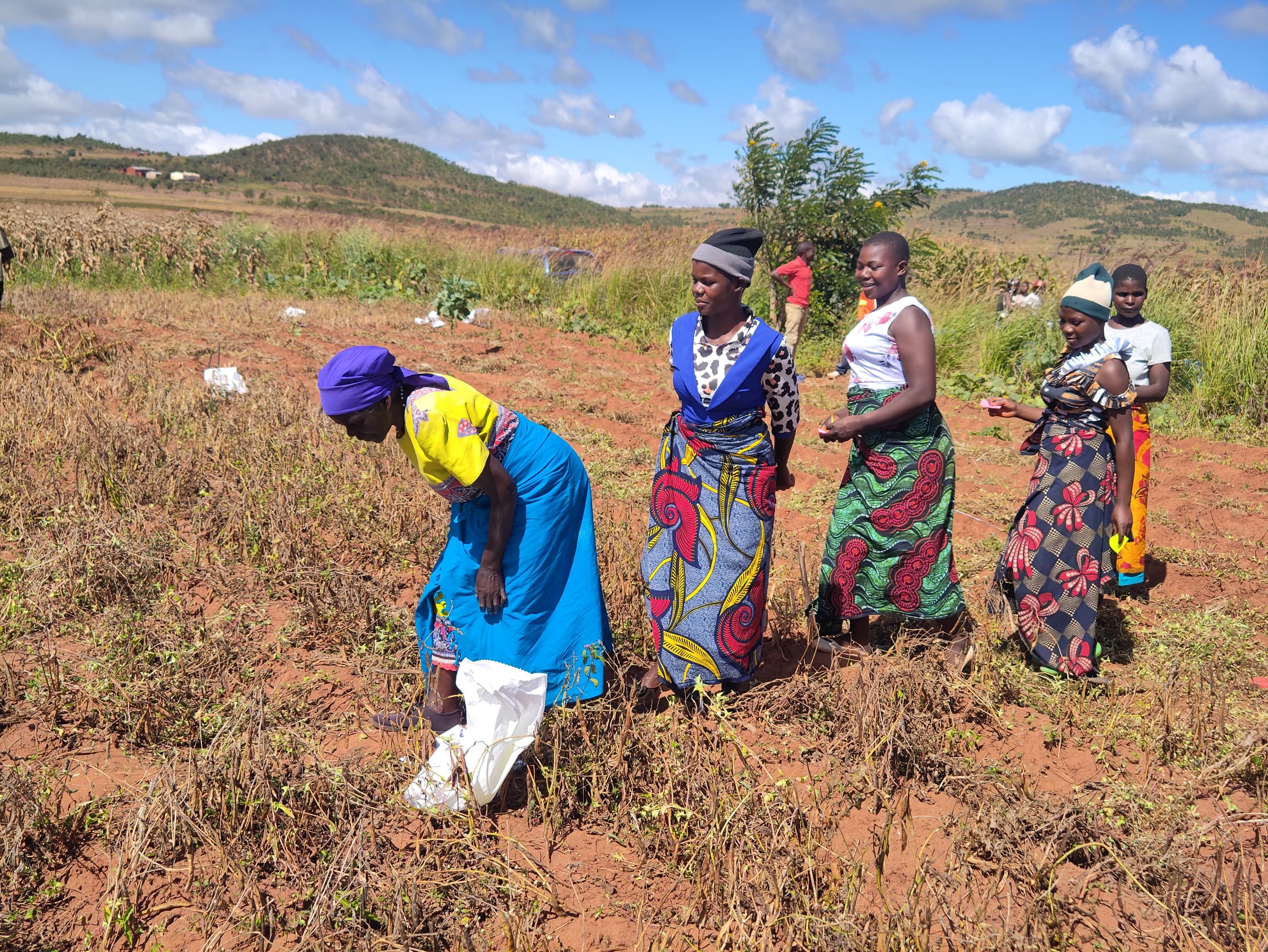
Through participatory variety selection, Malawian farmers are moving from technology recipients to co-creators of the next generation of bean varieties for the country’s fields and markets.
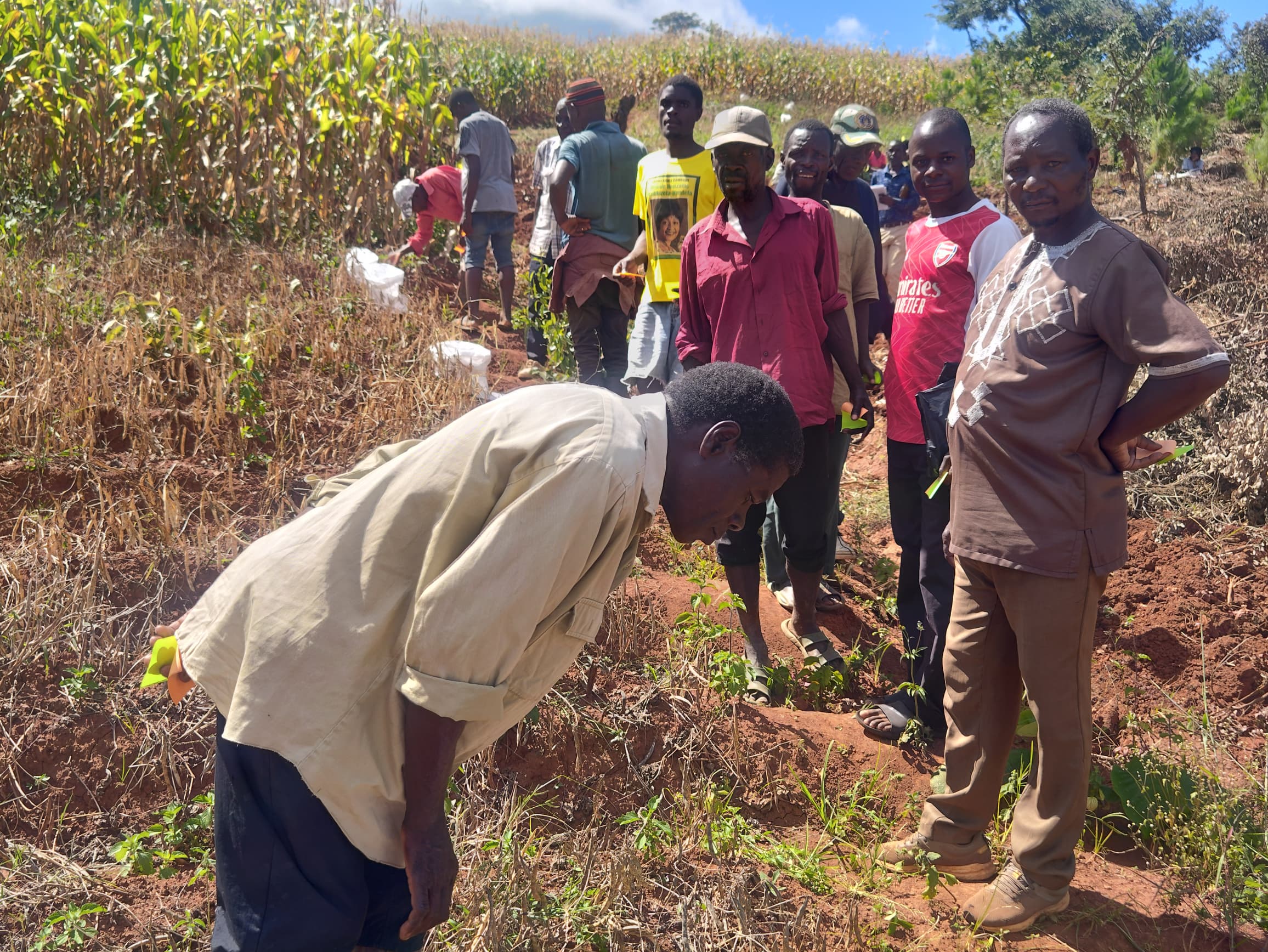
Extension officers see value in farmer-led selection
For Agricultural Extension Development Officers like Ruth Chimbenji from Bembeke in Dedza, involving farmers directly in variety evaluation is essential for developing technologies that respond to local realities.
While scientific breeding remains critical, she noted that farmers’ experiences and preferences should carry equal weight in guiding variety release decisions because they are ultimately the end users of the technologies being developed.
Her remarks reflect a growing recognition within agricultural research that innovations are more likely to succeed when farmers are involved from the outset.
Building bean varieties that farmers want
The exercise generated valuable insights into what producers and consumers are looking for in new bean varieties, providing researchers with information that could help shape future breeding priorities.
By combining scientific expertise with farmer knowledge, breeding programs are better positioned to develop varieties that not only perform well in research trials but also thrive in farmers’ fields and meet market expectations.
The feedback gathered from 197 farmers across four districts will contribute to the identification and advancement of bean varieties with strong potential for adoption and commercial success.
Strengthening Malawi’s bean value chain
As Malawi works to strengthen its bean value chain, approaches such as PSVs are becoming increasingly important, as they are ensuring that improved varieties are productive, market-oriented, and aligned with the realities and priorities of the farmers who grow them.
Through the Growth Poles Initiative, the Alliance and its partners are demonstrating that successful agricultural innovation goes beyond developing better varieties. By giving farmers a meaningful role in shaping the technologies designed to improve their livelihoods, they are helping shape the future of bean production in Malawi.
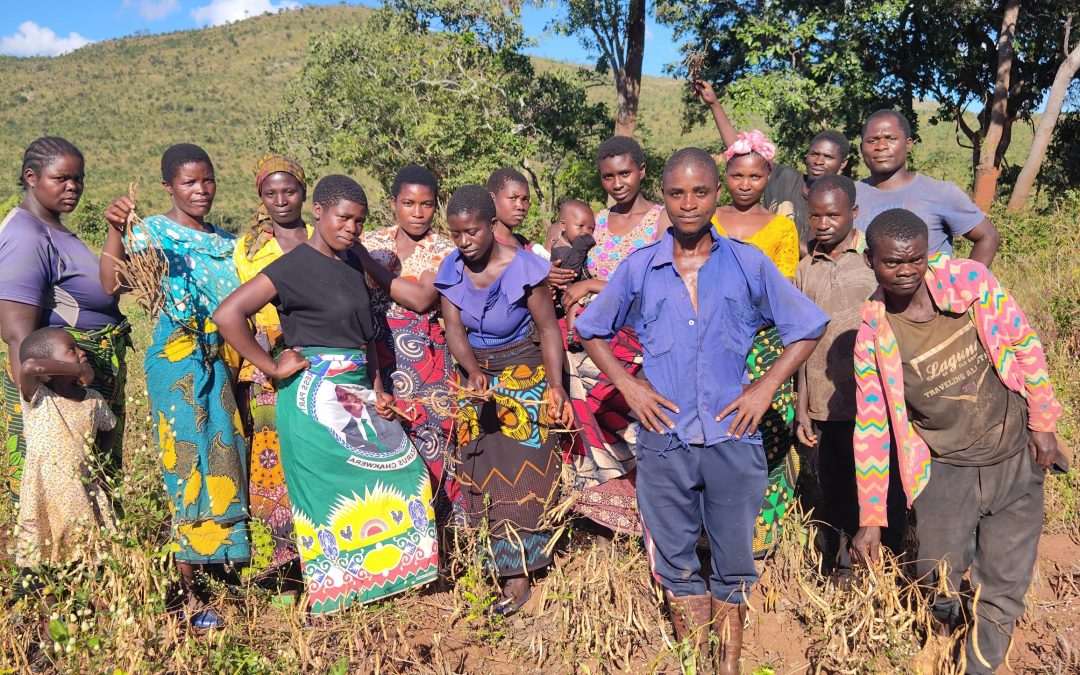
Cover Image: Farmers from Chamadzi in Mzimba District participate in the voting process during the Participatory Variety Selection exercise – 📸Photo credit: Eunice Magwaya/Alliance of Bioversity and CIAT