By Justin Mabeya, Alain Mudumbi, and Dr Daniel Lunze
Under the generous sun of Kaniama, in the heart of Haut-Lomami Province – Southern Democratic Republic of Congo (DRC), the weather itself feels like a quiet partner in the farmers’ journey, sometimes nurturing, sometimes testing, but always shaping life in the fields. Here, dozens of farmers come together, driven by a common vision: to build true seed and nutritional autonomy for their community. This momentum is driven by PADCA-6P Project, implemented by the Alliance of Bioversity and CIAT, which is committed to a sustainable transformation of local agriculture. This transformation is powered by biofortified beans, nutrient-rich in iron and zinc and increasingly valued for both their health benefits and market potential.
Strategic training to build the future
The year 2023 marked the laying of the project’s foundation stones. However, this was never short of hurdles. Losses of nearly 1.5 tons of seed due to post-harvest insect infestations, coupled with discrepancies between planned and cultivated areas, exposed a pressing need to strengthen local technical capacity.
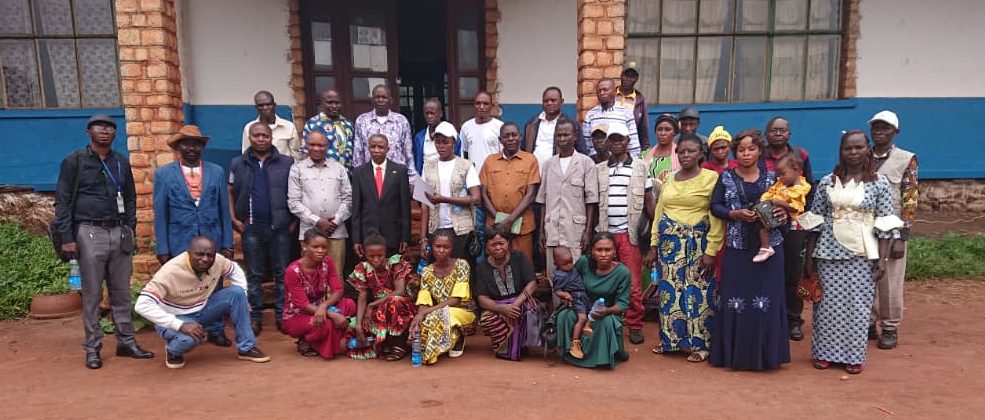
In direct response a number of trainings for farmers have been held to address the challenge. One of those was an intensive training was held between 9 and 10 October 2025, in Kaniama. The objective was clear: to equip producers and extension agents with the skills to master the entire value chain, from production to the marketing of high-quality bean seed. As one local authority pointed out, the ambition is for “every farmer here to become a seed entrepreneur capable of feeding their community.”
From the Seed to the Plate and the Market: Two days to sow knowledge
The program, titled “From Seed to Plate to Market”, brought together 30 committed participants – 23 men and 7 women – in a dynamic, hands-on learning environment. The first day focused on agronomic and nutritional fundamentals, with discussions underscoring the role of biofortified beans in combating malnutrition. Rich in protein, iron, and zinc, these beans provide essential nutrients, particularly for women and children. Participants also learned to distinguish between grain for consumption and certified seed for planting, while gaining practical knowledge on land preparation and best agronomic practices to maximize yields.
The second day connected the field to the marketplace, empowering farmers to think and act as entrepreneurs. Sessions covered advanced technical skills, including disease management, effective weeding, seed selection and sorting to ensure purity, and proper storage techniques. Building on this, participants were introduced to the fundamentals of seed business—calculating production costs, setting fair and competitive prices, and understanding local market dynamics.
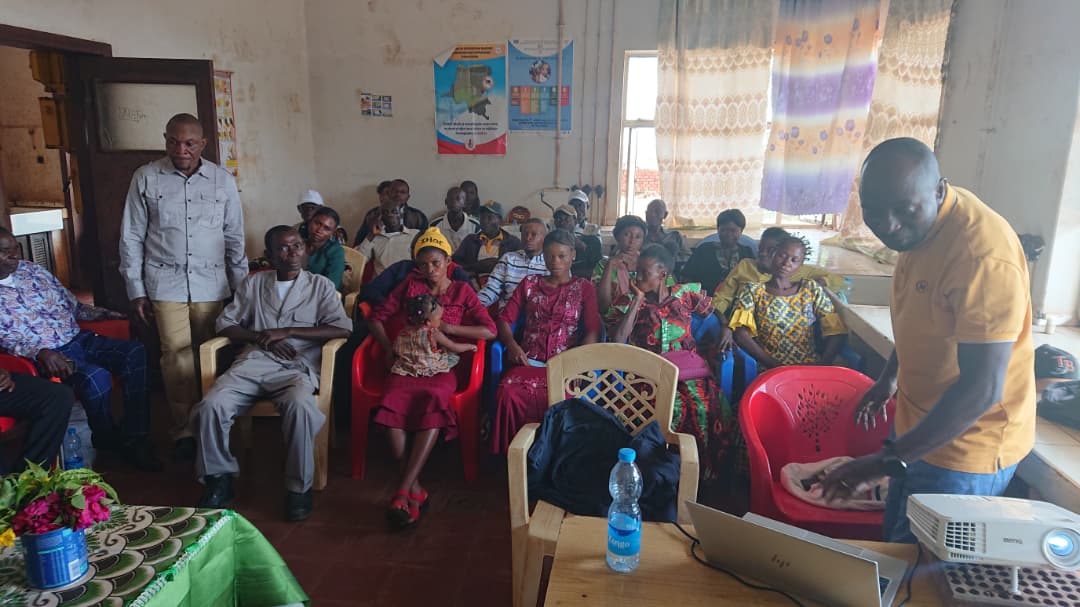
Training of extension staff at INERA Kaniama
Concrete impact and renewed motivation
At the end of the two-day training, 30 key players in the sector were better equipped to produce and market high-quality, in-demand seeds. In addition, 20 farmers’ organizations were identified as strategic partners to revive bean seed multiplication across 14 villages in the Kaniama region. Beyond these concrete outcomes, a strong sense of motivation now drives this emerging network of entrepreneurs, ready to take their future into their own hands. As one participant put it, “Before, we always depended on the outside world for seeds. Today, we know that we can produce them here, at home and market them.”
The next steps: cultivating sustainability
While important progress has been made, sustained effort will be critical moving forward. The PADCA-6P project will prioritize access to pre-basic seed and production inputs, the development of land for basic seed multiplication, and the rollout of demonstration plots to reinforce practical learning. Continuous technical monitoring will ensure adherence to quality standards and long-term viability.
The overarching objective is to position Kaniama as a strategic seed hub, contributing to improved food and nutritional security throughout Haut-Lomami. In this context, each seed planted is not only an agricultural input, but an investment in community resilience and economic empowerment.