
By Anastacia Theuri
What makes a bean “breakthrough”? Is it a higher yield? Faster cooking time? Resistance to drought and disease? Or is it something more such as a variety designed not just to perform in research trials, but to succeed in farmers’ fields and regional markets?
Under the Breakthrough Commodities Initiative, partners across East and Southern Africa are redefining what that term means. A breakthrough bean is not simply improved genetics but a product which is high yielding, climate resilient, market preferred, commercially viable, and ready to scale across borders. It represents a deliberate shift from strengthening breeding systems to delivering visible, measurable impact for farmers, seed companies, traders, and consumers.
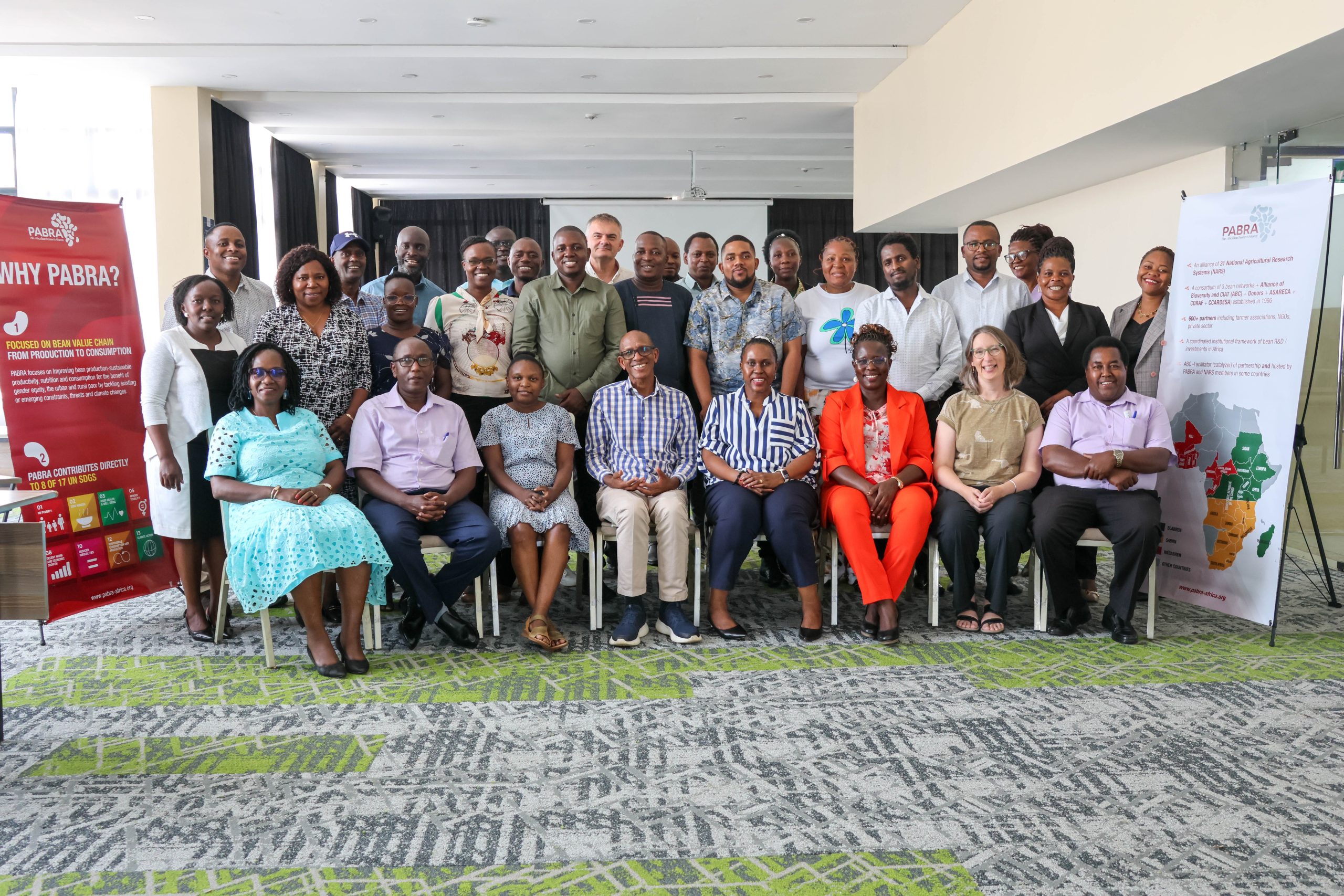
Breeders during the launch of the new phase of the Breakthrough Project
“The breakthrough project supported by the Gates Foundation is really a shift: from breeding system improvement to actually developing breakthrough products that are going to be visible to the farmers, and to the end users,” said Clare Mukankusi Mugisha, Global Breeding Lead for Common Bean at the Alliance of Bioversity International and CIAT, describing the launch of this new phase.
After more than a decade of investment in modernizing bean breeding through the Pan-Africa Bean Research Alliance (PABRA), the focus now moves from building capacity to accelerating delivery by consolidating earlier gains and channeling them into the rapid development and scaling of high impact varieties.
The initiative is not just about science but also creating tangible products that meet farmers’ needs, satisfy market demand, and move quickly across regional markets. Beyond producing superior genetics, the project emphasizes partnerships, rapid cycle genomic selection, strengthened use of regional seed trade regulations, and coordinated regional pipelines. A workshop convening in Nairobi, Kenya, brought together National Agricultural Research Systems (NARS) representatives and breeders from nine countries to align strategies, define the first generation of breakthrough common bean products, and ensure that scientific advances translate into real benefits for farmers, markets, and communities. The project aligns with the Breeding for Tomorrow Science program of the CGIAR and representatives of the ENABLE Area of Work actively participated in the meeting.
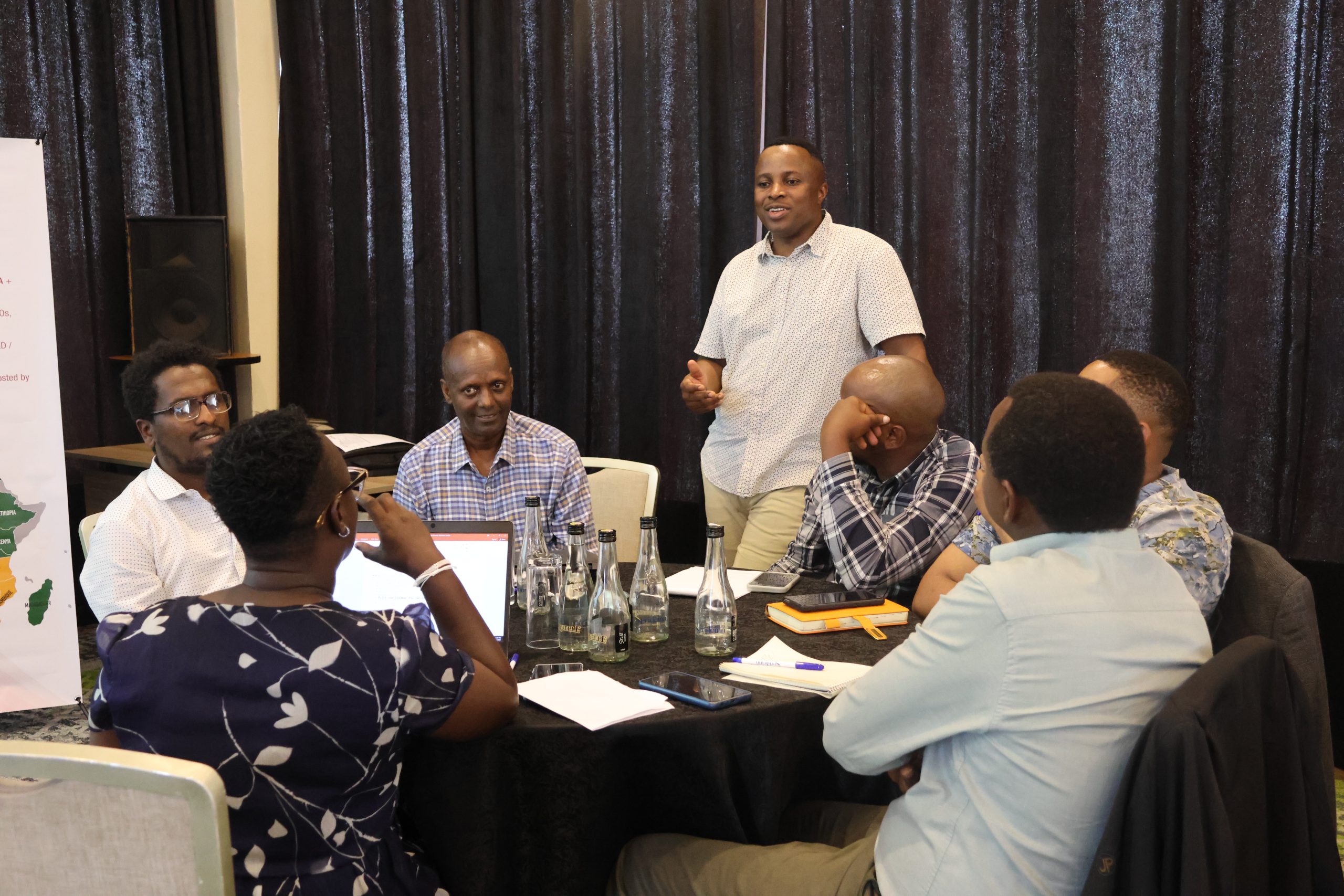
Defining a new era of common bean products breakthrough
Objectives of the Breakthrough Commodities Project
The Gates Foundation supported 7 Months bridge investment reaffirmed three major objectives for the Breakthrough Products initiative:
- Deepen alignment on high-impact Target Product Profiles (TPPs) and stage-gate advancement systems, ensuring clear criteria for evaluating and advancing candidate varieties.
- Solidify roles and objectives across partner institutions, creating efficient network operations with clearly defined responsibilities and collaboration mechanisms.
- Develop and implement robust breeding strategies for three core breeding pipelines
- Large and medium Red mottled bush beans (CIAT BP00230) serving three market segments in East, Central and Southern Africa (Beans EAF MS00481, Beans CAF MS00761 and Beans SAF MS00524) representing >1.4M ha
- Large and medium Sugar bush beans (CIAT BP00012) serving two market segments (Beans EAF MS00492 and Beans SAF MS00532) representing around 870,000ha
- Large and Medium Yellow Bush Beans (CIAT BP00232) serving one market segment in East Africa (Beans EAF MS00485) representing 880,000ha
These objectives reflect the shift from building capacity to rapidly delivering breakthrough products that provide measurable impact for farmers, traders, and seed companies.
Accelerating adoption through regional pipelines
The project aims to improve key priority market and agronomic traits in the three breeding pipelines:
- Climate Resilience: Increasing yields by 20–30% under stress conditions using germplasm such as tepary beans and meso-American genepool.
- Disease and Pest Resistance: Breeding resistance to anthracnose, angular leaf spot, BCMV, bruchids, and stem maggots to reduce input costs and increase food safety.
- Faster Cooking Time: Achieving a 30% reduction through BRIO-integrated breeding to reduce fuel use and promote health and environmental gains.
- Early Maturity: Ensuring products mature ~20% earlier without compromising yield or quality to support drought escape and faster market access
Teshale Mamo, Bean Breeder and Regional Coordinator at the Alliance of Bioversity International and CIAT, explained the rationale behind this structured approach: “The business case for a breakthrough product is obvious. If a variety is high yielding, disease resistant, tolerant to heat and drought and generates higher incomes for farmers, and it also gives better return on investment for seed companies and grain traders, it’s obvious–it is a breakthrough” By centralizing trials and harmonizing testing, the project avoids duplication- improving resources use and accelerates cross border adoption. Farmers in one country can access varieties already validated elsewhere, ensuring that a successful genotype in Kenya, for example, is rapidly deployed in Tanzania or Uganda.
Regional testing is critical to account for variations in soil, climate, and disease pressure. Clare noted, “When we test our genotypes across the region, we look out for genotypes that can perform across a wide environment.” Complementing this, Jean Claude Rubyogo, Global Bean Program Leader & PABRA Director highlighted the market dimension: “If the variety is demanded by consumers, demanded by market, and if a variety has high yield, disease resistant, and with good end-user traits, seed companies are encouraged to invest much more since they a assured of getting a better return because there is a market demand.”
From trials to market: Ensuring impact and sustainability
Transitioning from experimental lines to commercial varieties involves careful consideration of licensing, intellectual property, and target product profiles (TPPs). Clare emphasized the importance of understanding both the benefits and limitations of new varieties: “For a good variety, you don’t need to do a lot of marketing because its good attributes allow it to sell itself, however, in most cases you need to sell your product as it might not fully address all the requirements that all value chain players demand. It is hence important to fully understand the good attributes as well as the potential limitations of the new variety and communicate these to the market to promote trust and sustainable business.”
Digital platforms, such as WhatsApp groups used to link small farmer networks, now facilitate traceability, communication, and market intelligence. Three adoption models, business to business, vertically integrated, and geographically focused hubs, connect farmers, traders, and seed suppliers, ensuring supply aligns with demand and adoption accelerates.
Regional coordination through COMESA, SADC, and East Africa protocols allows varieties to move quickly across borders, shortening the release to use window from 10-15 years to just one or two. Seed system innovations, robust partnerships, and harmonized pipelines collectively strengthen food security, nutrition, and livelihoods while improving the resilience of local economies.
Across East and Southern Africa, the Breakthrough Products Project is demonstrating that the true value of breeding lies not just in developing superior varieties but in embedding them within systems that connect research, production, and markets. As it was noted, regional testing ensures that a variety performing well in one country can be confidently adopted elsewhere, reducing duplication and accelerating scaling. By harmonizing trials, improving access to elite germplasm, and leveraging data driven selection, the project ensures that breakthrough beans meet farmers’ needs, satisfy consumer preferences, and generate returns for seed companies.
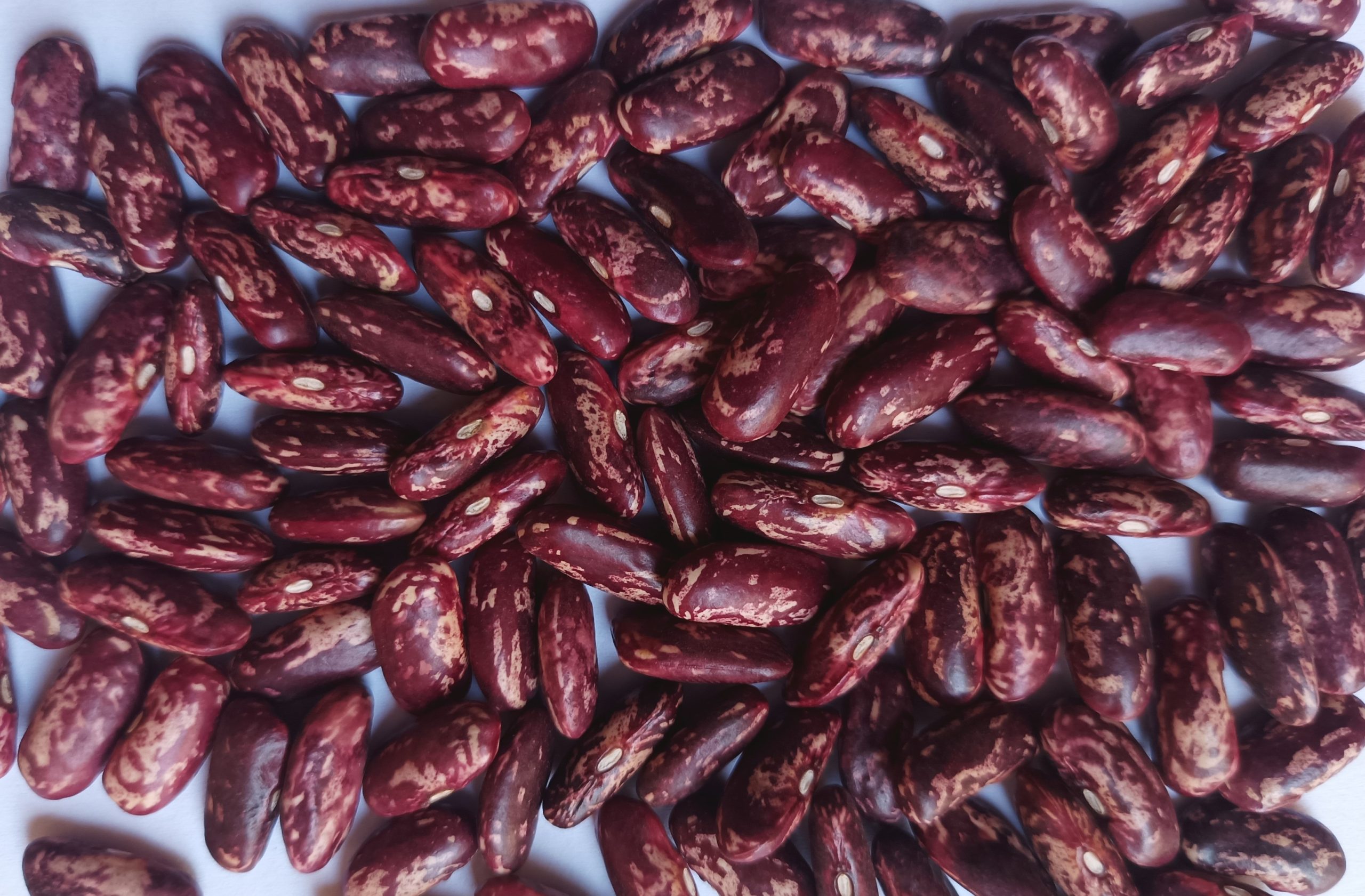
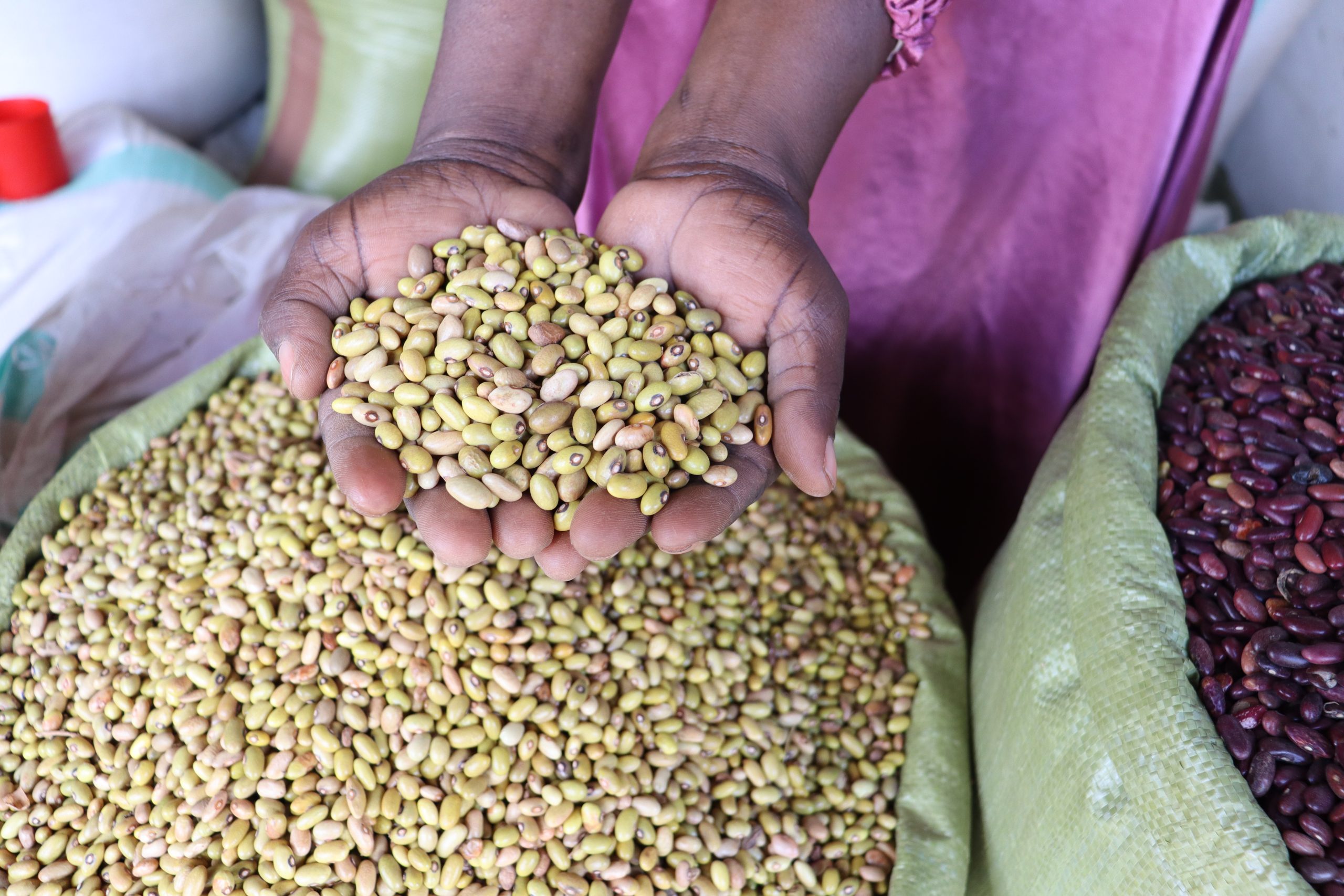
Some of the high-yielding bean Varieties: NUA 45 and TARI bean6
The impact is tangible. Women farmers who were once limited to subsistence are negotiating bulk sales; youth are engaging in structured value chains rather than informal trade; enterprises are generating income while reducing environmental strain. Varieties like NUA45, RWR2245, and TARI bean6 illustrate the potential for rapid regional variety release and adoption when breeding excellence, market demand, and robust seed systems converge. Ultimately, the project is a regional transformation engine, linking science to livelihoods, nutrition, and economic opportunities. With coordinated partnerships, harmonized pipelines, and a focus on breakthrough traits, these products are poised to shape the future of bean production across the region, delivering visible benefits for farmers, markets, and communities alike.